John Astor
 USA
USA- John Jacob Astor: A Biography
- Early Life and Career
- Hotel Empire and Public Service
- Personal Life and Tragic End
John Jacob Astor: A Biography
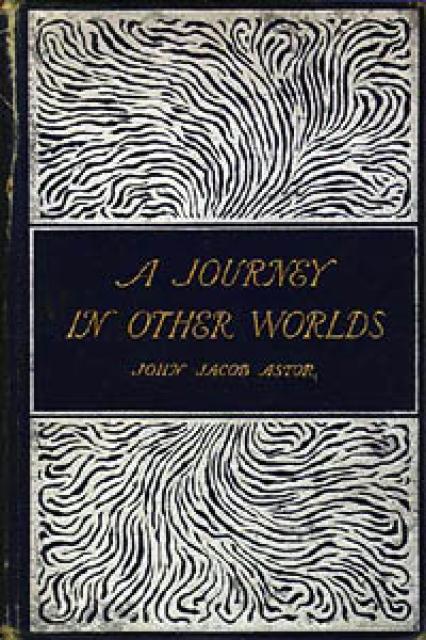
John Jacob Astor IV (1864-1912) was a prominent American millionaire, inventor, and writer of science fiction. He is best known for his novel "A Journey in Other Worlds: A Romance of the Future," which was published in 1894 and depicted a fantastical and beautiful world in the year 2000.

Early Life and Career
Born on July 13, 1864, in Rhinebeck, New York, John Jacob Astor IV came from a family of wealthy fur traders. His great-grandfather, John Jacob Astor I, was one of the most famous industrialists in American history, amassing a huge fortune from the fur trade in the late 18th century.
After graduating from Harvard, Astor embarked on a three-year journey around the world in 1888. Upon his return to the United States, he took over the management of the family's wealth. In addition to his literary pursuits, Astor was also interested in inventing. While he couldn't rival Thomas Edison's inventions, he did patent useful creations such as a bicycle brake in 1898. He also contributed to the development of a turbojet engine and a pneumatic road roller.
Hotel Empire and Public Service
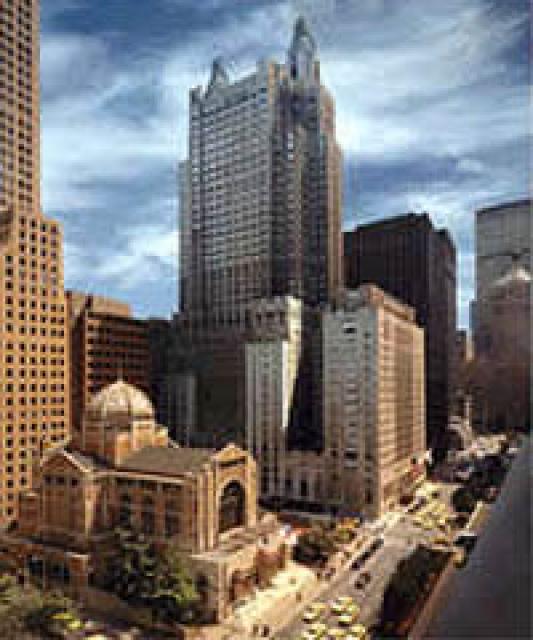
Inspired by his cousin William Waldorf Astor, who had built a grand hotel in New York City, John Jacob Astor IV invested in the construction of another luxurious hotel in 1897. The interconnected buildings were collectively known as the "Waldorf-Astoria" and became the largest hotel complex in the world at that time. Astor later went on to build the St. Regis and the Knickerbocker hotels.
During the Spanish-American War, Astor offered his personal yacht, "Nourmahal," to the American government. He also fully equipped a mountain artillery battery at his own expense. In 1898, he obtained the rank of colonel in a volunteer battalion and served in the war.
Personal Life and Tragic End
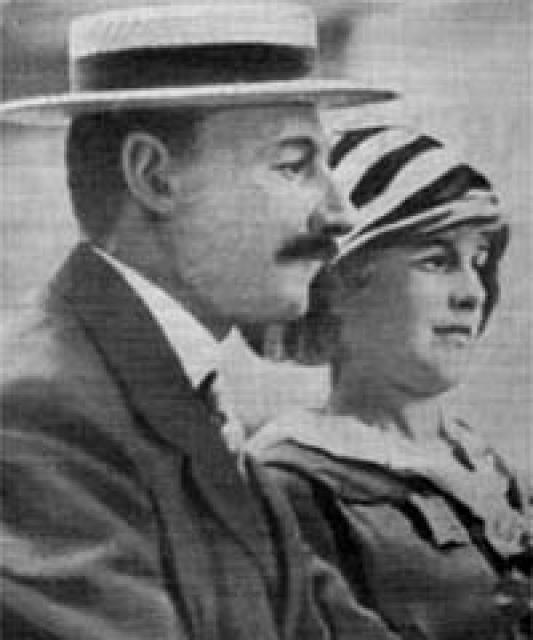
Astor married Ava Willing in 1891, and they had a son and a daughter together. However, in 1909, he filed for divorce from Ava and married eighteen-year-old Madeleine Force in 1911. The controversial union caused a public outcry, and the couple decided to travel abroad to let the scandal subside. They toured Egypt, lived in Paris, and only returned to New York when Madeleine was five months pregnant.
In April 1912, Astor and his wife, along with their servants, occupied two first-class cabins on the ill-fated RMS Titanic. When the ship struck an iceberg, Astor initially downplayed the incident, believing it to be non-threatening. However, as the situation worsened, he accompanied his wife, her maid, and the nurse through a closed promenade deck window to Lifeboat No. 4. Astor asked if he could join them due to Madeleine's delicate condition, but was informed that men were not allowed in the lifeboats until all women were safely aboard. Astor calmly observed the attempts of other passengers to launch additional lifeboats.
Sadly, Astor did not survive the sinking of the Titanic. His body was recovered from the water on April 22, 1912, exactly one week after the disaster. His wife and the other occupants of Lifeboat No. 4 were among the survivors. In August of that year, Madeleine gave birth to their son, who was named John Jacob Astor V in honor of his late father.
John Jacob Astor IV left a lasting legacy through his contributions to literature, invention, and the hotel industry. Despite his tragic end, his impact on American society and the world of science fiction remains a significant part of his remarkable biography.


