John Bardeen
 USA
USABiography of John Bardeen
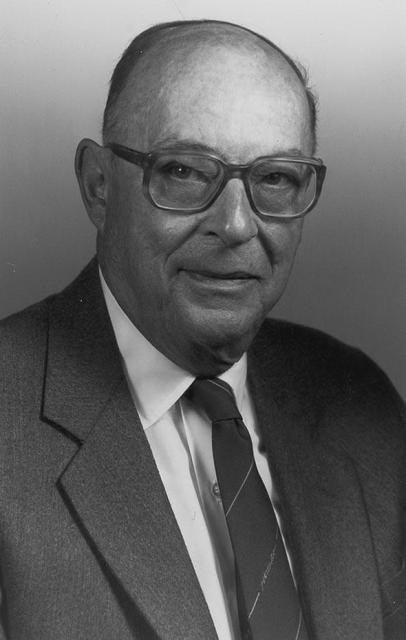
John Bardeen was an American physicist and electrical engineer, and the only scientist in history to have won two Nobel Prizes in Physics. He was born in Madison, Wisconsin. Despite facing some delays due to additional courses and the death of his mother, Bardeen completed high school at the age of 15. He chose to study engineering as his major at the University of Wisconsin-Madison because it combined practicality with mathematics. In 1928, Bardeen earned a bachelor's degree in electrical engineering while also completing a worthy outline for his master's thesis. He received his master's degree in 1929.
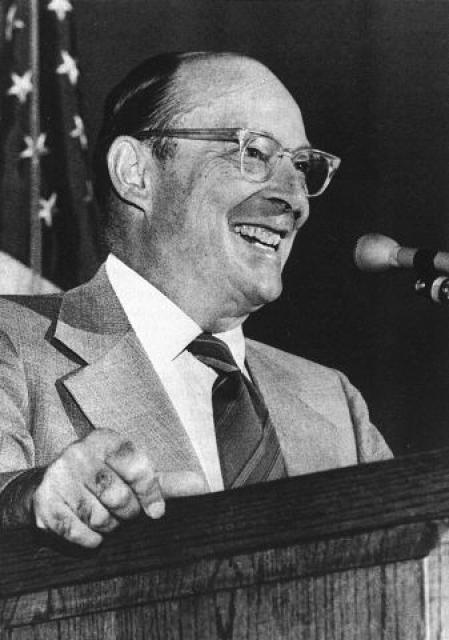
After spending some time at his university, Bardeen moved to the research laboratories of the Gulf Oil Corporation, where he worked in geophysics for three years. However, he eventually grew tired of his work and continued his education at Princeton. In 1936, he received a Ph.D. in mathematical physics. In October 1945, Bardeen joined Bell Labs, where he worked in the field of solid-state physics under the guidance of William Shockley and Stanley Morgan. Their research focused on finding a stable, solid-state alternative to fragile vacuum tube amplifiers. The team's efforts led to the creation of the world's first transistors.
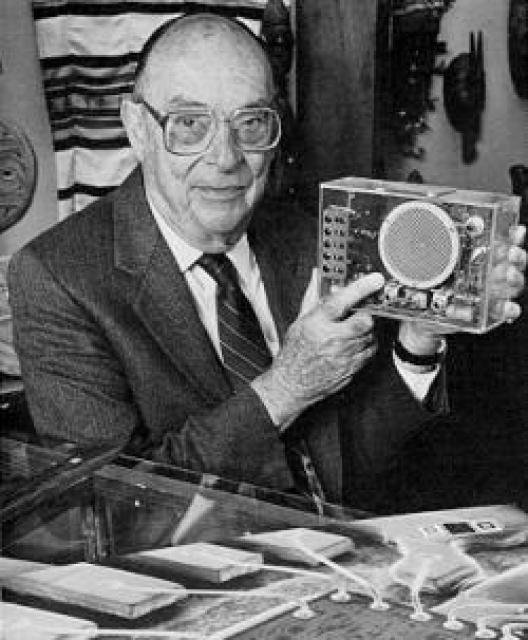
On December 23, 1947, Bardeen, along with Walter Brattain, created the first point-contact transistor that demonstrated real amplification. By the following month, lawyers at Bell Labs were already working on patent applications. It became clear that the effect they utilized had already been somewhat predicted in a patent by Julius Lilienfeld. In the eyes of the public, Shockley became the inventor of the transistor, although the company actively insisted on "preserving collective fame." Eventually, Shockley, Bardeen, and Brattain fell out, and Shockley continued his work on the junction transistor alone.
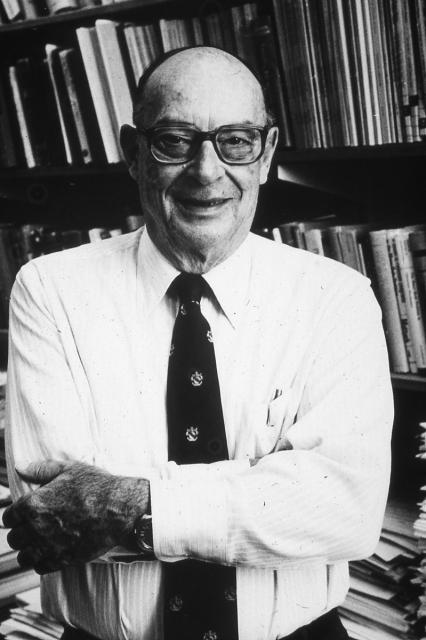
In 1951, Bardeen began searching for new job opportunities and was offered a position at the University of Illinois. There, he became a professor of electrical engineering and physics. One of his first doctoral students, Nick Holonyak, went on to create the first practical light-emitting diode (LED). Bardeen supported two major research programs and conducted active scientific investigations. In 1956, Bardeen shared the Nobel Prize in Physics with Shockley and Brattain for their semiconductor research and the discovery of the transistor effect. He received his second Nobel Prize in 1972, which he shared with Leon Cooper and John Robert Schrieffer for their work on superconductivity and the development of the BCS theory.
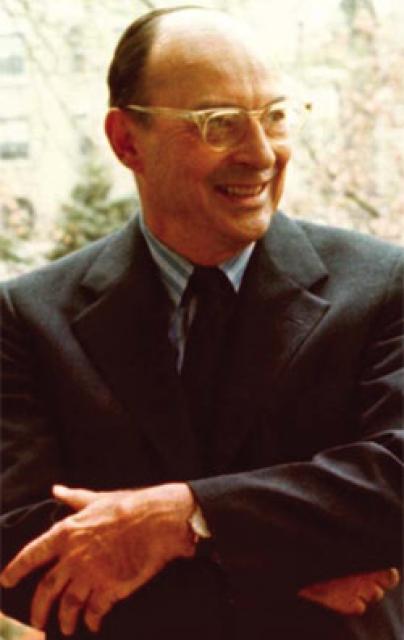
John Bardeen passed away on January 30, 1991, due to heart failure at a hospital in Boston, Massachusetts.