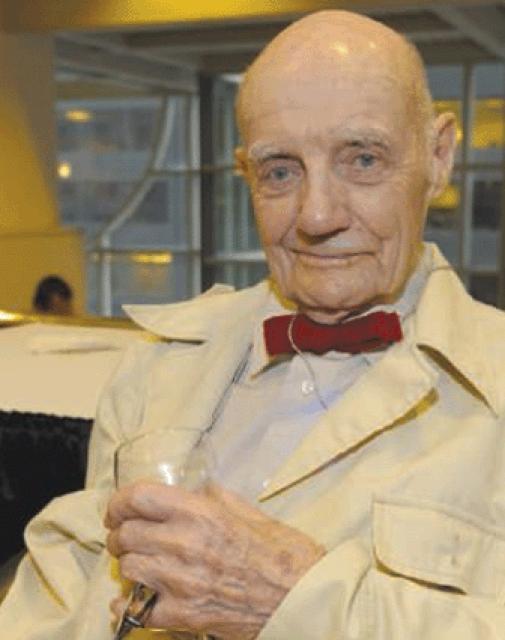
John Fenn
 USA
USABiography of John Fenn
Early Life and EducationJohn Fenn, an American researcher, professor of analytical chemistry, and Nobel laureate, was born in New York City and raised in Hackensack, New Jersey. His father, who worked as a draftsman at the Fokker Aircraft Company, allowed Fenn to explore the world of aviation, even allowing him to sit in the cockpit of Charles Lindbergh's "The Spirit of St. Louis." However, the Great Depression had a significant impact on the family's finances, and they eventually had to move to Kentucky. Despite these challenges, Fenn completed his education and earned a bachelor's degree from Berea College.
Scientific Career
Fenn pursued his passion for chemistry and organic chemistry at the University of Iowa and later studied physical chemistry at Purdue University. Recognizing the importance of mathematics in his field, Fenn took additional courses in the subject upon the advice of his chemistry professor, Henry Bent. He continued his studies and earned a Ph.D. in chemistry from Yale University, despite his dissertation consisting of only three pages of pure text out of 45.
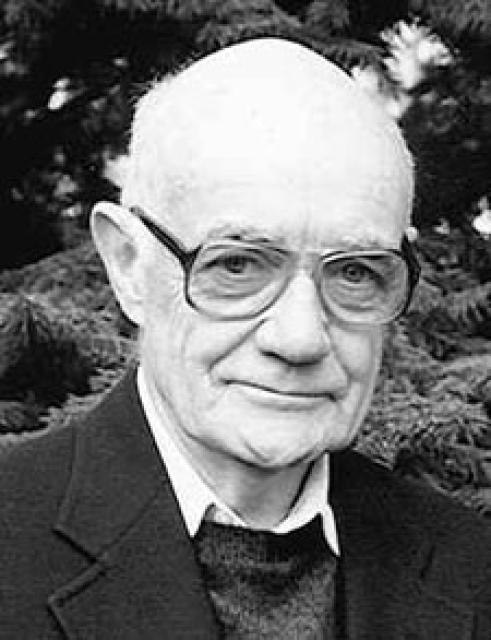
After completing his dissertation, Fenn worked at Monsanto for a period of time but eventually became disillusioned with the company. In 1945, he joined forces with his colleague James Mullen at the newly formed Experiment, Inc. Their collaborative research formed the basis of Fenn's first publication.

Contributions and Achievements
Fenn's scientific career took him to Princeton University in 1952, where he led the "SQUID" project, studying reactive motion. During this time, he also delved into the study of supersonic sources of atomic and molecular radiation, which found extensive applications in chemical physics.
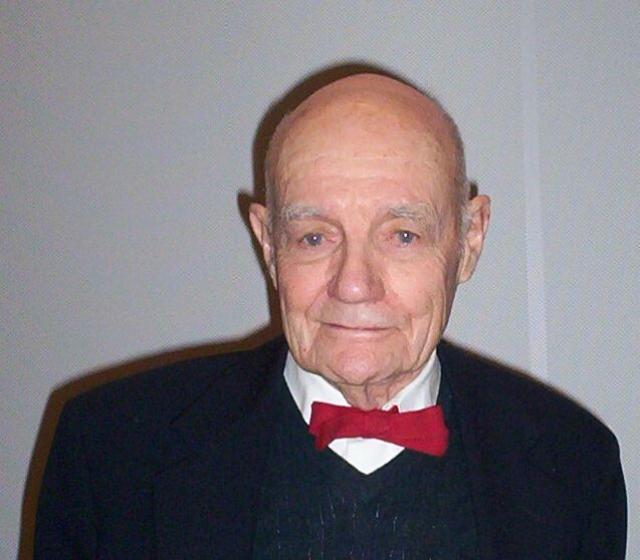
In 1967, Fenn returned to Yale University, where he engaged in both chemistry and engineering. In 1987, he was bestowed with the title of Honorary Professor, which came with a new office but also a reduction in workspace and research assistants. While this transition was not ideal for Fenn, he remained committed to laboratory research and maintaining close collaborations with talented young scientists.
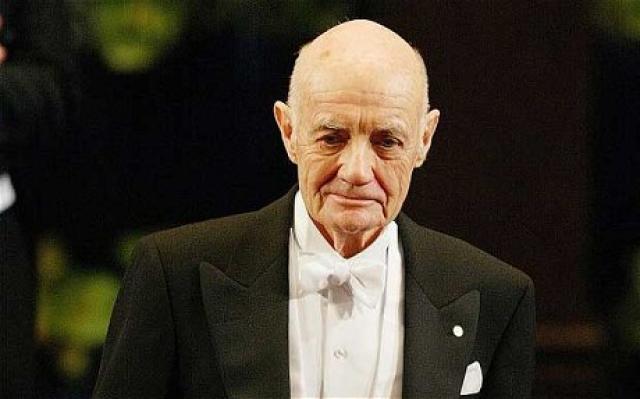
In 2002, Fenn received the Nobel Prize in Chemistry, which he shared with Koichi Tanaka and Kurt Wüthrich. The award recognized their development of methods for determining the structure and analysis of biological macromolecules. Fenn and Tanaka were specifically honored for their work on mass spectrometry methods, with Fenn's contributions focusing on electrospray. The Nobel Prize came as a surprise to Fenn, who compared it to winning the lottery.
Throughout his career, Fenn received numerous other awards and honors, including the American Society for Mass Spectrometry's award in 1992 for his contributions to mass spectrometry research.
Conclusion
John Fenn, a non-traditional scientist who achieved remarkable success in the field of chemistry, made significant contributions to the development of mass spectrometry methods. His dedication to research and his commitment to mentoring young scientists left a lasting impact on the scientific community.


