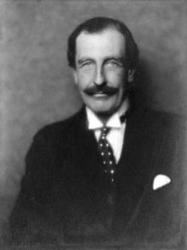
John Frederick Sackville
 Great Britain
- Biography of John Frederick Sackville, 3rd Duke of Dorset
- Cricket Enthusiast and Skilled Player
- Contribution to Cricket in England
- Ambassador to France and Promotion of Cricket
- Personal Life and Legacy
Biography of John Frederick Sackville, 3rd Duke of Dorset
John Frederick Sackville, the 3rd Duke of Dorset, was born on March 24, 1745. He was the only son of Lord John Philip Sackville, the second son of Lionel Sackville, 1st Duke of Dorset. In 1769, he inherited the ducal title after the death of his uncle, Charles Sackville, the 2nd Duke of Dorset.
Cricket Enthusiast and Skilled Player
The 3rd Duke of Dorset gained fame as a passionate cricket enthusiast. He was an excellent player himself and played a significant role in the development of the sport. However, his main interest lay in gambling, and cricket served as an excellent lure for avid gamblers during the 18th century. Sackville also enjoyed billiards and tennis and acquired a reputation as a notorious lothario.
Contribution to Cricket in England
Sackville studied at Westminster, where he learned to play cricket. He joined the Hambledon Cricket Club in Hampshire, which was the leading club of that era and continues to thrive to this day. He found companions in Sir Horatio Mann, an alumnus of the prestigious Charterhouse School, and Lord Tankerville, who studied at Eton and became Sackville's main rival. Sackville quickly gained a reputation as a formidable opponent.
In 1773, Sackville generously handed over the 'Vine Cricket Ground' in Sevenoaks, Kent, to the town for a symbolic rent of a pepper corn. The cricket ground, located on his land near his country house, Knole, is one of the oldest in England. The first widely publicized cricket match, featuring the 'Gentlemen of Kent' versus the 'Gentlemen of Sussex,' took place there in 1734. The Sevenoaks Town Council still maintains the 'Vine Cricket Ground,' although the rent has doubled. Additionally, every year on July 21st, Lord Sackville receives a cricket ball from the town.
Ambassador to France and Promotion of Cricket
In 1784, the Duke of Dorset became the British Ambassador to Paris, surprising his critics with his newfound dedication to state interests. He continued to promote cricket among the local French population and British expatriates. In 1787, 'The Times' even noted that cricket was replacing horse racing in popularity in France, thanks to the Duke of Dorset's tireless efforts. In 1789, the Duke planned an undertaking that could have been the first international cricket tour, but the French Revolution shattered not only his dreams but also the possibility of cricket's existence in France altogether.
Upon returning to England, the Duke became one of the first members of the Marylebone Cricket Club and took on the role of steward at the royal court, where his main task was to supervise the wayward Prince of Wales, the future King George IV.
Personal Life and Legacy
The Duke of Dorset's most famous mistress was Giovanna Zanerini, a Venetian ballerina who performed under the stage name Baccelli. The Duke commissioned her portrait by Thomas Gainsborough, which later gained recognition as one of the great artist's masterpieces. He also caused a scandal with his affair with Elizabeth Hamilton, Countess of Derby, daughter of the 6th Duke of Hamilton. As her husband refused to grant her a divorce, their child was born out of wedlock.
In 1790, the Duke of Dorset married Arabella Diana Cope. They had one son, George John Frederick, who succeeded as the 4th Duke of Dorset, and two daughters. The eldest daughter, Lady Mary Sackville, married twice but died without children. The younger daughter, Lady Elizabeth Sackville, married and had nine children.
John Frederick Sackville, the 3rd Duke of Dorset, passed away on July 19, 1799, leaving the title to his son.