John Galsworthy
 Great Britain
Biography of John Galsworthy
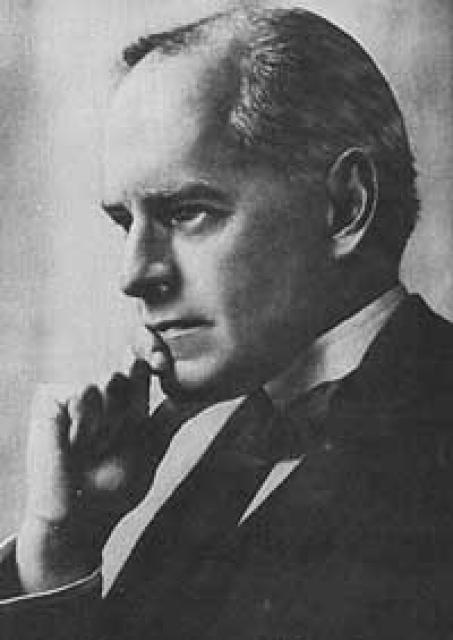
John Galsworthy was an English novelist, playwright, and poet who was awarded the Nobel Prize in Literature in 1932. Born into a wealthy family, Galsworthy could have lived a life of leisure without having to work. Initially, he planned to do just that, but later changed his mind.
Education and Early Career
Galsworthy attended the prestigious Harrow School and went on to study at the University of Oxford. Following in his family's tradition, he pursued a career in law and became a professional lawyer. However, during a cruise to improve his knowledge of maritime law, Galsworthy met Captain Joseph Conrad, who was an aspiring writer. Galsworthy struck up a lifelong friendship with Conrad, and it was under his influence that Galsworthy decided to change his career path. This change was only possible after the death of his father in 1904, when Galsworthy became financially independent.
Literary Success
In the same year, Galsworthy published his first book under his real name, the novel "The Island Pharisees." Galsworthy's novel series about the Forsyte family and his standalone novels gained immense popularity during his lifetime. His deep understanding of British society, particularly the "upper middle class," and his expertise in English law made him a skilled chronicler of English family tragedies and comedies.
Honors and Legacy
When Galsworthy was offered a knighthood and the title of "Sir" in recognition of his literary achievements, he politely declined. He believed that writers should not accept such honors. In 1932, Galsworthy was awarded the Nobel Prize in Literature for his mastery of storytelling. However, just a few months later, he passed away.
Galsworthy's legacy is best represented by the international PEN club, an organization that safeguards freedom of expression and creativity. He founded this writers' organization in 1921 and supported it financially until his death.
Despite his achievements, Galsworthy faced criticism from fellow British writers, even after his death. Even twenty years later, Anthony Burgess sarcastically remarked that Galsworthy was revered in Russia but only read by mediocrities at home.
John Galsworthy left a lasting impact on English literature through his insightful and compelling storytelling, exploring the complexities of British society and the human condition.