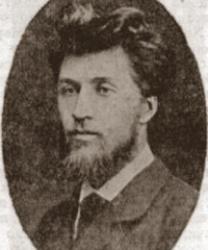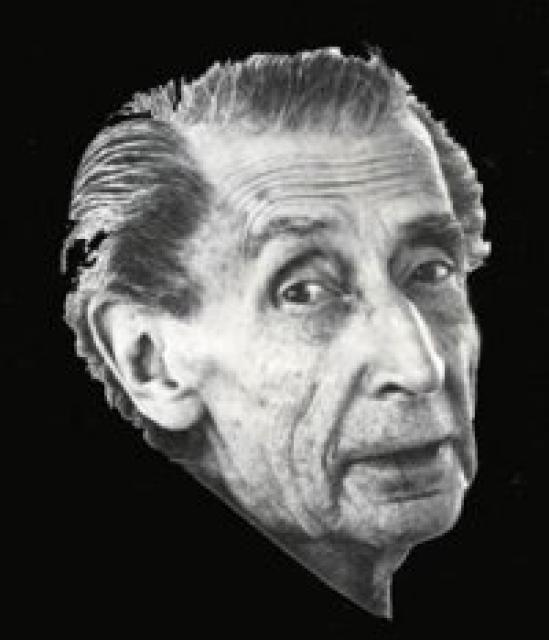
Jose Bergamin
 Spain
Spain- Early Life and Literary Debut
- Literary and Philosophical Contributions
- Political Activism and Exile
- Dramas and Return to Spain
- Critical Position and Later Writings
- Legacy
Early Life and Literary Debut
José Bergamín was born in Madrid, Spain, into a prominent family. He began writing poetry early on and debuted in 1921 with his work published in literary magazine "?ndice."
Literary and Philosophical Contributions
Bergamín was a prolific writer who experimented with various literary genres. He penned influential essays and aphorisms such as "The Art of Magic: Understanding the Bullfight" (1930) and "The Presence of Spirit" (1936), as well as a collection of poems titled "Untimely Sonnets" (1939). As a Catholic thinker with republican leanings, he published the esteemed journal "Cruz y Raya" from 1933 to 1936.
Political Activism and Exile
Bergamín maintained close relationships with notable figures like Miguel de Unamuno and Luis Buñuel. He actively protested fascism and became the head of the Anti-Fascist Union of Intellectuals. After the defeat of the Republic in 1939, he went into exile in Mexico, where he continued his literary and political work.
Dramas and Return to Spain
During his time in exile, Bergamín wrote several philosophical dramas, including "Melusina, or The Mirror" (1952) and "The Enchantress Medea" (1954). In 1959, he returned to Spain and openly opposed the Franco regime, leading to his persecution and eventual exile to Uruguay and France.
Critical Position and Later Writings
In 1970, Bergamín permanently returned to Spain and remained a vocal critic of the government. He continued to write essays, including "The Infernal Borders of Poetry" (1959) and "The Twilight of Illiteracy" (1961), as well as poetry collections like "Poems and Sonnets" (1962) and "Solitary Clarity" (1973). He spent his final years in the Basque Country.
Legacy
José Bergamín stands as a literary and intellectual giant in Spanish cultural history. His writings on religion, politics, and aesthetics continue to spark debate and reflection, cementing his place as a leading voice of the 1920s and 1930s.