Jose Policarpo
 Portugal
- Life and Education
- Ordination and Early Career
- Episcopal Ministry
- Archbishop of Lisbon
- Cardinalate
- Interfaith Dialogue
- Papacy and Legacy
Life and Education
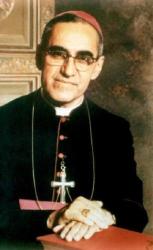
José da Cruz Policarpo was born on February 26, 1936, in Alvorninha, Portugal. He received his education at the Santarem Seminary, the Almada Seminary, and the Christ the King Higher Seminary in Olivais, where he studied philosophy and theology. He continued his studies at the Pontifical Gregorian University (licentiate in Dogmatic Theology) and the Pontifical Urbaniana University (doctorate in Theology).
Ordination and Early Career
On August 15, 1961, Policarpo was ordained a priest in Lisbon by Cardinal Manuel Gonçalves Cerejeira, Patriarch of Lisbon. He served as Director of the Seminary in Penafirme, Rector of the Seminary in Olivais, and Dean of the Faculty of Theology at the Portuguese Catholic University. He later served two terms as Rector of the same university (1988-1996).
Episcopal Ministry
On May 26, 1978, Policarpo was appointed Titular Bishop of Caliabria and Auxiliary Bishop of Lisbon. He was consecrated a bishop on June 29, 1978, in the Church of Santa Maria de Belém, Lisbon, by Cardinal António Ribeiro, Patriarch of Lisbon, assisted by João Alves, Bishop of Coimbra, and Manuel Franco Falcão, Titular Bishop of Telepte and Coadjutor Archbishop of Beja.
Archbishop of Lisbon
On March 5, 1997, he was appointed Coadjutor Archbishop of Lisbon, succeeding Cardinal António Ribeiro as Patriarch of Lisbon on March 24, 1998. He is also the Grand Chancellor of the Portuguese Catholic University and President of the Portuguese Episcopal Conference since April 13, 1999.
Cardinalate
He was elevated to the rank of Cardinal by Pope John Paul II in the consistory of February 21, 2001, as Cardinal-Priest of Sant'Antonio in Campo Marzio.
Interfaith Dialogue
Cardinal Policarpo has made notable ecumenical statements regarding interfaith dialogue among young people. When Sister Lúcia of Fátima stated, "There is only one God who deserves our adoration, all the rest is nothing, is worth nothing and can do nothing for us," Cardinal Policarpo responded, "But, my boy, that vision is going out of fashion. What does Sister Lúcia's theology have to say about this? We Christians, Muslims, Jews—we all have the same God." He added, "Each religion has something to teach. The experience of others is very important; we have much to learn from them."
Papacy and Legacy
Following the death of Pope John Paul II in 2005, Policarpo was considered a papabile—a candidate for the papacy. On April 11, 2005, The Guardian proposed him as a "dark horse" candidate to compromise between European and Latin American cardinals. He would have been the first pope to smoke cigarettes and the second from Portugal, after John XXI. The 2005 papal conclave, in which he participated as a cardinal elector, ultimately elected Benedict XVI as pope. Some sources suggest that he belongs to the liberal faction among the cardinals.