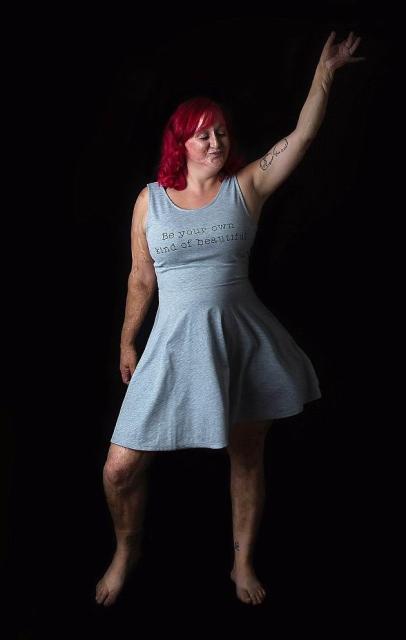
Joy Zylstra
 Canada
Joy Zylstra is a Canadian burn survivor and peer advocate whose public work grew from a difficult childhood experience. When she was nine, an accidental fire in a gas-filled cabin left her with extensive burns. The injury required a long hospital stay and skin grafts, and the years that followed brought the additional challenge of learning to live with visible scars in a world that often judged her appearance before seeing her as a person.
Recovery and self-acceptance
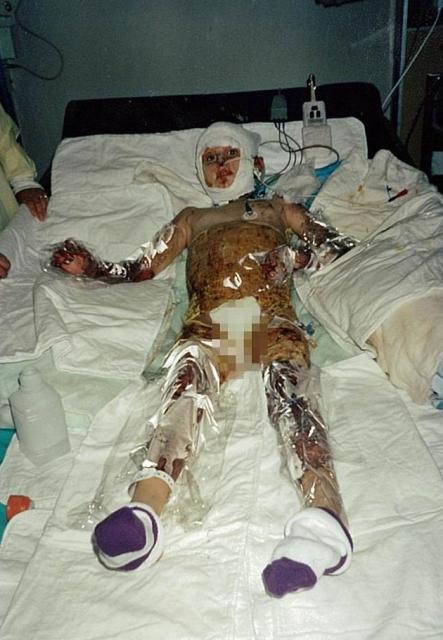
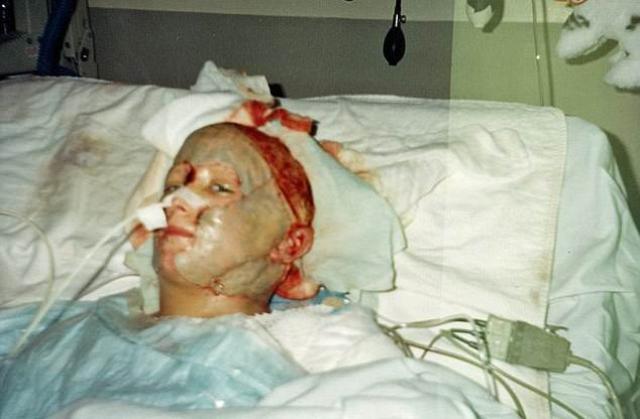
Accounts of Zylstra’s experience describe an accident during a family trip: propane had accumulated inside a cabin, and a flame ignited it. She spent about five weeks in hospital and underwent several skin grafts. As she returned to ordinary life, she faced stares and cruel comments from other children. The bullying weighed heavily on her self-esteem, and she has spoken publicly about the pain and isolation that followed.

Her perspective changed over time. Zylstra has described becoming a mother as a turning point: she wanted her daughter to grow up without believing that a person’s worth depends on appearance, and realized she needed to extend that same acceptance to herself. She began to speak more openly about her scars and the long path toward self-confidence. Rather than treating the experience as something that defined all of her life, she came to see it as part of her story that could help others feel less alone.
Turning experience into support
By the late 2000s, Zylstra was volunteering as a burn survivor friend and advocate in Edmonton. She has described giving burn-awareness presentations in schools and visiting patients in the burn unit when invited by hospital staff. The work lets her meet people at a moment when recovery can feel isolating, and to share the perspective of someone who has lived through both the medical treatment and the social adjustment that follows.
She has also used online platforms to encourage body acceptance and to raise awareness of emotional distress and suicide prevention. In public posts and interviews, her message has centered on allowing people to be proud of their bodies and scars without pretending that recovery is quick or easy. Her advocacy is grounded in the practical value of peer support: being seen by someone who understands can make a new patient or family feel less alone.
A public voice for burn survivors
Zylstra’s story reached a wider audience through Canadian media and photography projects that portrayed burn survivors and highlighted the people behind their scars. She has used that visibility to redirect attention away from curiosity about appearance and toward dignity, resilience and the everyday lives of survivors. Her role is not as a medical expert, but as a peer who offers encouragement drawn from lived experience.
The biographical record available about her is largely made up of interviews and advocacy accounts rather than formal profiles. Those accounts trace a clear shift: a girl who struggled with unwanted attention learned to accept her appearance and became a source of support for others navigating similar experiences. Through school presentations, hospital visits and candid public storytelling, Zylstra has helped make burn recovery more visible and less isolating for people facing it.


