Juan Karrenio
 Spain
Spain- Juan Carreño de Miranda: A Spanish Baroque Artist
- Early Life and Career
- At the Royal Court
- The Artistic Style
- Portraits
- Legacy
Juan Carreño de Miranda: A Spanish Baroque Artist
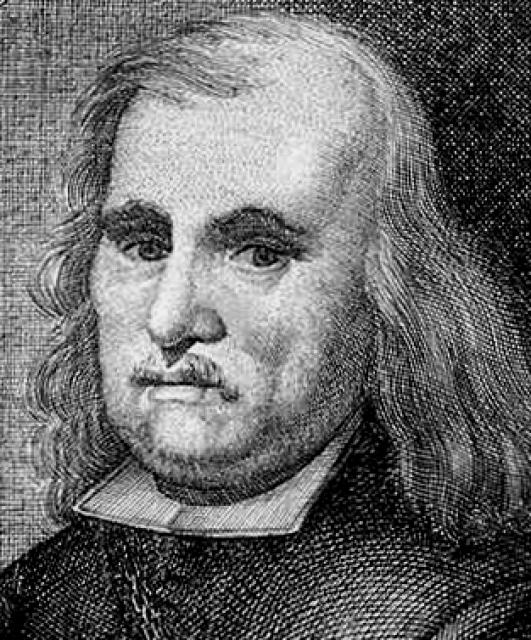
BiographyJuan Carreño de Miranda was a Spanish artist of the Baroque period in the second half of the 17th century. Born in 1614 in Avilés, he was one of the few painters who managed to maintain and cultivate the high artistic traditions during a period of stagnation in Spain.
Early Life and Career
Carreño studied art in Valladolid, a provincial city far from the main centers of Spanish art. However, he did not succumb to the sleepy, stagnant life of the city where he would have been expected to paint altar pieces according to the strict canons of the Counter-Reformation, under the watchful eye of the limited church authorities. Instead, he moved to Madrid where he caught the attention of the renowned artist Diego Velázquez.
At the Royal Court
Carreño received a commission to paint for the Mirror Room in the Madrid Royal Palace, thanks to the recognition he received from Velázquez. Although he held some court positions, he was unable to become the "painter of the king." The tradition of intelligent patronage that was characteristic of some previous rulers of Spain no longer existed at the court. The pressure of dry officialdom and gloomy religiosity increased, making it difficult for artists to thrive.
The Artistic Style
Carreño's paintings reflect his devotion to the great masters of the past and serve as a testament to the spiritual emptiness of his contemporaries. He painted a number of religious works characterized by rich colors and delicate modeling. In these, he employed the dramatic effects of movement and perspective to compensate for the lack of inner confidence. Carreño's admiration for Rubens can be seen in works such as "Mary Magdalene" and "The Assumption."
Portraits
Carreño is perhaps best known for his portraits, which depict the highest-ranking individuals in the country. His paintings of King Charles II and Queen Mariana of Austria, for example, capture their frailty and lack of vitality, despite the opulence of their attire. Carreño also painted court jesters and aristocrats, showcasing his skill in capturing their essence. One notable example is his portrait of the Duke of Pastrana.
Legacy
Despite the challenging historical and social circumstances, Carreño managed to preserve many of the best qualities of the Spanish painting school of the Golden Age. His works, influenced by the great masters of Europe, serve as a testament to the fading vitality of Spanish art during his time. Carreño's ability to create masterful paintings in such a difficult period is truly remarkable and demonstrates his talent and dedication to his craft.