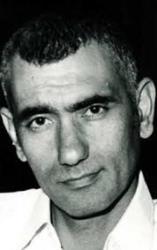
Kaneto Shindo
 Japan
Japan- Kaneto Shindo: A Renowned Pioneer of Japanese Cinema
- Entering the Film Industry
- World War II and Internment
- Breakthrough as a Director
- International Recognition
- Personal Loss and Marriage
- Legacy and Centennial Celebration
Kaneto Shindo: A Renowned Pioneer of Japanese Cinema
Early Life and InspirationsKaneto Shindo was born in Hiroshima Prefecture as the youngest of four children. His affluent childhood was marred by financial struggles when his parents lost their fortune due to a failed loan. Shindo's mother passed away while he was young, leaving him with his siblings and a father who became a policeman. Inspired by the film "Bangaku No Issho," Shindo embarked on his cinematic journey in 1933.
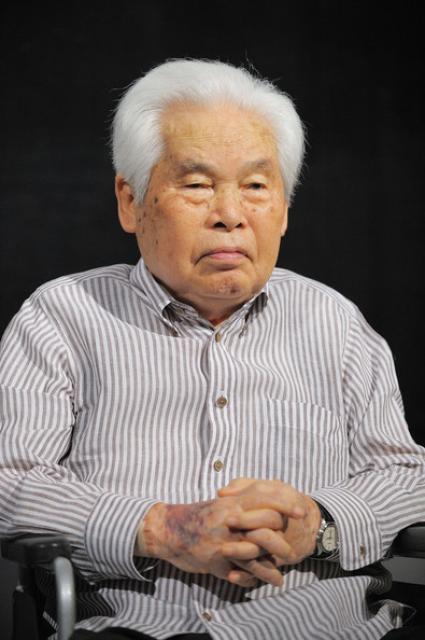
Entering the Film Industry
Shindo traveled to Kyoto with a letter of recommendation and found shelter with his brother's colleague. After patiently waiting, he secured a position at Shinko Kinema studio. When the studio relocated to Tokyo in 1935, Shindo's career took a positive turn due to the shortage of screenwriters.
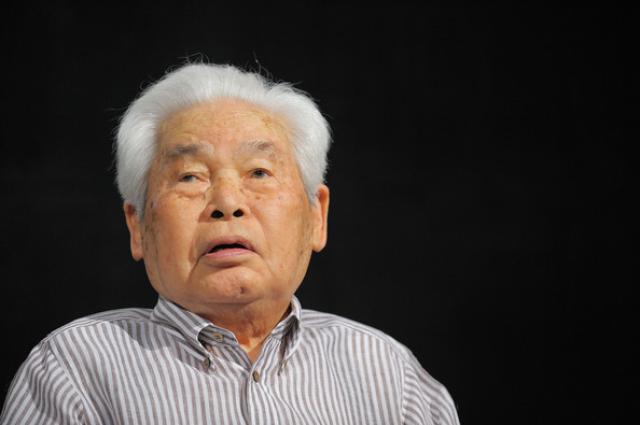
World War II and Internment
In 1943, Shindo was drafted into the navy. Initially assigned to cleaning, he was later assigned to more perilous tasks. Only six of the original hundred survived, and they were sent to an internment camp after the war. Shindo struggled to return to civilian life and found abandoned scripts at the deserted studio, giving him an opportunity to hone his writing skills.
Breakthrough as a Director
Shindo's directorial debut came in 1951 with "Love Story of a Woman," a semi-autobiographical film starring Nobuko Otowa, who portrayed his late wife. Despite being remarried, Shindo began an affair with Otowa.
International Recognition
In 1953, Shindo was commissioned by the Japan Teachers Union to create a film about the atomic bombing of Hiroshima. "Children of Hiroshima," starring Otowa, premiered at the Cannes Film Festival in 1953. Shindo's international breakthrough came with "The Naked Island" (1960), a critically acclaimed film that revived his career and the film studio that produced it.
Personal Loss and Marriage
After the death of his wife in 1977, Shindo was finally able to marry Otowa. He continued his filmmaking career, but announced his retirement in 2010.
Legacy and Centennial Celebration
Kaneto Shindo passed away in 2012 at the age of 100. A month prior, his 100th birthday was celebrated in his hometown of Hiroshima, honoring his remarkable contributions to Japanese cinema.