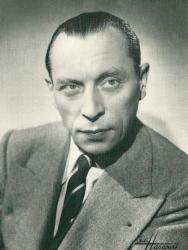
Yilmaz Guney
 Turkey
- Yılmaz Güney: A Kurdish Master of Cinema
- Acting Career
- Writing and Directing
- Social Themes
- Political Imprisonment
- Cinematic Triumphs in Prison
- Escape and International Acclaim
- Tragic End
Yılmaz Güney: A Kurdish Master of Cinema
Early Life and EducationYılmaz Güney was born into a Kurdish family and pursued studies in law and economics in Ankara and Istanbul.
Acting Career
Güney began his filmmaking journey as an actor, appearing in films by young Turkish directors. He quickly gained popularity and became one of Turkey's most sought-after actors, starring in numerous films. He received the prestigious "Golden Orange" award at the Antalya Film Festival in 1967 (and again in 1970).
Writing and Directing
Inspired by his acting experiences, Güney began writing screenplays and assisting renowned director Atıf Yılmaz. In 1965, he directed his first independent film, and in 1968, he founded his own production company, "Güney Filmcilik."
Social Themes
Güney's films primarily explored social issues, tackling themes of poverty, oppression, and political turmoil. His work often challenged the status quo and resonated deeply with Turkish audiences.
Political Imprisonment
Güney's vocal criticism of the government led to his imprisonment in 1961 for publishing a pro-communist novel. He spent a year and a half behind bars. In 1972, he was arrested again for providing asylum to anarchists.
Cinematic Triumphs in Prison
While imprisoned, Güney continued writing screenplays, which were directed by other filmmakers. His films "Endişe" (1974) and "Zavallılar" (1975) were completed after his release under an amnesty.
Escape and International Acclaim
After the military coup in 1980, Güney feared for his life. In 1981, he escaped from prison and sought political asylum in France. There, he completed "The Road" (1982), which won the Palme d'Or at the 35th Cannes Film Festival. "The Wall" (1983) became his last cinematic masterpiece.
Tragic End
In 1984, at the age of 48, Yılmaz Güney succumbed to stomach cancer in Paris. He was buried in the renowned Père Lachaise Cemetery. His legacy as a fearless artist and champion of social justice continues to inspire filmmakers worldwide.