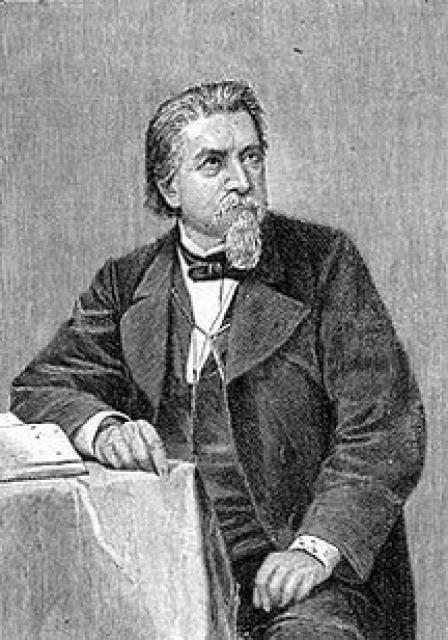
Karl Gutskov
 Germany
- Heinrich Heine: A Literary Icon and Social Activist
- Early Life and Education
- Literary Career
- Theatrical Works
- Personal Struggles and Legacy
Heinrich Heine: A Literary Icon and Social Activist
German writer, playwright, and public figure Heinrich Heine emerged as a leading figure of the "Young Germany" literary movement. His multifaceted career and literary achievements left an enduring legacy on German culture.
Early Life and Education
Heine commenced his academic journey at Berlin University, immersing himself in theology, law, and philology. He attended lectures by renowned scholars such as Hegel and Schleiermacher. His quest for knowledge continued in Heidelberg and Munich, broadening his intellectual horizons.
Literary Career
Heine's literary prowess found expression in a range of works. He edited the journal "Telegraph für Deutschland," a platform for emerging writers including Friedrich Hebbel, Georg Herwegh, and Friedrich Engels. His novels, such as "Mahra-Guru, the Story of a God" and "Wally the Doubter," explored themes of religion and doubt.
Theatrical Works
Heine's dramatic productions were equally acclaimed. "Werner" and "Pugachev" captivated audiences, while his tragedy "Uriel Acosta" became a renowned masterpiece. The play, which tells the tale of a 17th-century Portuguese thinker, has been frequently staged in Russia and the Soviet Union, inspiring opera adaptations such as Valentina Serova's "Uriel Acosta."
Personal Struggles and Legacy
Heine endured episodes of severe paranoia throughout his life. Nevertheless, his prolificacy and influence as a writer and social critic cannot be overstated. His works continue to resonate with readers, challenging conventions and stimulating intellectual discourse.
Heine's legacy extends beyond his literary contributions. As a public figure, he actively advocated for social justice and freedom of expression. His writings and activism left an enduring mark on German society, cementing his status as a literary icon and a voice for the oppressed.


