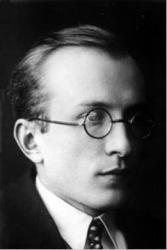
Karl Wilhelm Kruger
 Germany
- Karl Wilhelm Krüger: German Philologist
- Academic Career
- Scholarly Contributions to Greek and English
- - Homerische Formenlehre(1849), a detailed analysis of Homeric Greek
- Historical Work
- Later Life and Legacy
Karl Wilhelm Krüger: German Philologist
Early Life and EducationKarl Wilhelm Krüger was born in Berlin, Germany, on March 21, 1804. He received his classical education at the Friedrichs-Werdersches Gymnasium in Berlin. In 1824, he enrolled at the University of Berlin, where he studied philology under renowned scholars such as August Boeckh and Immanuel Bekker.
Academic Career
After graduating from university, Krüger worked as a teacher at various secondary schools in Berlin. In 1835, he was appointed Professor of Philology at the Joachimsthaler Gymnasium, a prestigious academic institution. He held this position for the rest of his career.
Scholarly Contributions to Greek and English
Krüger's expertise was in the field of Greek philology. He authored several influential works, including:
- Griechische Sprachlehre für Schulen(1842), a comprehensive Greek grammar used in schools throughout Europe
- Kleinere griechische Sprachlehre(1829), a concise grammar for students
- Homerische Formenlehre(1849), a detailed analysis of Homeric Greek
- Homerische und Herodotische Formenlehre(1879), an expanded version of his earlier work on Homeric and Herodotus's Greek
Historical Work
In addition to his philological contributions, Krüger also published a work on English history:
- Geschichte der englischen Revolution unter Karl I(1850), a narrative of the English Civil War
Later Life and Legacy
Karl Wilhelm Krüger died in Berlin on April 23, 1874. He left behind a lasting legacy as one of the most respected philologists of the 19th century. His works continue to be used by students and scholars to this day.