Karl Witte
 Germany
- The Youngest Doctor in History
- Early Life and Education
- Doctoral Achievements
- Academic Career and Contributions
- Legacy
The Youngest Doctor in History
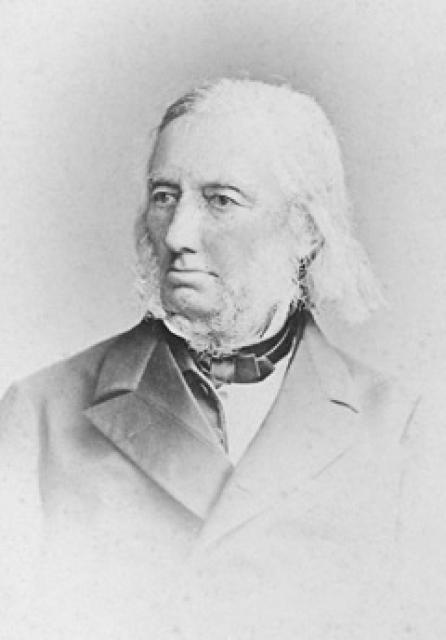
Johann Heinrich Friedrich Karl Witte, also known as Carl Witte, was a German intellectual who made significant contributions to the fields of art history and literature. He lived a long life, working as a professor and respected researcher. However, he gained fame for his childhood achievements – at the age of 14, Carl Witte successfully defended his doctoral dissertation and received a degree in philosophy.
Early Life and Education
Carl Witte was born in 1800 in Schkopau, Germany. He was raised by his father, Pastor Karl Witte senior, who had a special program to develop his son's exceptional abilities. By the age of 10, Carl was intellectually advanced, speaking English, German, French, Italian, Latin, and ancient Greek. His father was proud of his talented son and eagerly showcased his abilities to anyone who could appreciate them. Newspapers soon began to write about the young prodigy, and meanwhile, Carl passed his exams and became a student at the University of Göttingen in 1810. There, he studied mathematics, history, philology, and philosophy.
Doctoral Achievements
In 1813, at the age of 13, Carl Witte wrote a scholarly treatise in Latin, which became his doctoral dissertation. In 1814, he was awarded a doctorate in philosophy from the University of Giessen. At the age of 16, he attempted to become a professor at the University of Berlin, but was rejected due to skepticism about the seriousness of a lecturer who was barely 16 years old. Nevertheless, his father continued to be proud of his parental success and even wrote a book about raising a child prodigy, titled "The Education of Karl Witte: Or, The Training of the Child," which gained popularity, especially in China.
Academic Career and Contributions
While his father's book gained attention, Carl Witte pursued further education. He traveled to Italy to study Italian literature and art history. At the age of 21, he began teaching in Germany. Witte became a professor at the University of Breslau and later at the University of Halle. He wrote extensively, including works on Roman and Byzantine law. However, his most significant contributions were in the field of Italian literature, particularly Dante's works. Witte was a renowned expert on Dante and wrote critical articles on "The Divine Comedy." He also published a two-volume work titled "Dante-Forschungen" (Dante Research) and played a key role in the establishment of the Dante Society in Germany.
Legacy
Despite his notable academic career, Carl Witte is primarily remembered for his childhood achievements. He entered the Guinness World Records as the youngest person to earn a doctorate in philosophy. Carl Witte passed away in 1883 in Halle, leaving behind a legacy of intellectual brilliance and a remarkable academic journey.