Kate Dranfield
 Great Britain
Kate Dranfield came to public attention as a teenager after speaking to British media about elaborate daydreams that she said had shaped much of her inner life since childhood. In interviews published in 2017, she described a cast of around 120 imagined characters and said that drifting into fantasy could disrupt school and make socializing difficult. The accounts offer a rare glimpse into a private experience, but they are based on media interviews rather than a full clinical biography.

A World Built in Daydreams
Dranfield, who was reported to be from Buxton in Derbyshire, said her daydreaming began when she was about six. She described returning to recurring stories and characters, some of whom had their own names and personalities. Music could draw her into those imagined scenes, sometimes at moments when she was trying to talk with other people.
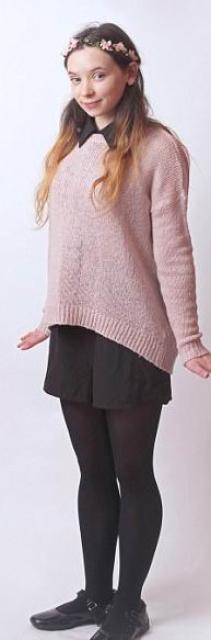
Reports at the time framed her experience as “maladaptive daydreaming.” Dranfield said she had identified with that term herself; contemporary coverage also noted she had not received a professional diagnosis. The phrase refers to immersive daydreaming that can become difficult to control and interfere with daily life. Her account was not a report of multiple real identities, despite headlines that sometimes portrayed it that way.

The Cost of Getting Lost
In interviews, Dranfield explained that slipping into her imagined world could leave classmates thinking she was ignoring them. She also said the episodes had affected school attendance and concentration. Her story brought attention to the gap between a rich private imaginative life and the strain it can cause when it becomes hard to set aside.
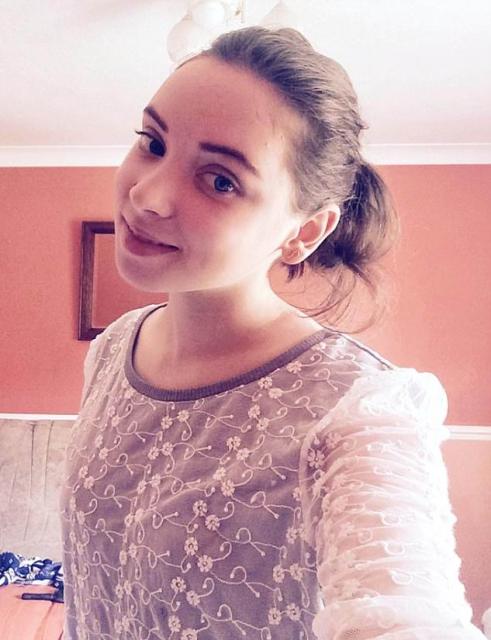
At the time, her mother Sheila spoke publicly about concern for her daughter, while also recognizing that Dranfield understood her characters were imaginary. These details came from family comments relayed in press coverage, not from a broader public record of the family’s life.

Finding Creative Outlets
Dranfield described trying to channel her imagination into activities outside the daydreams, including acting, creative writing and jewelry-making classes. She also spoke warmly about some of her characters and said they inspired elements of her style. This creative response offered a more personal counterpoint to headlines that reduced her story to a striking number.

A Limited Public Record
The reports of 2017 remain the main publicly available source of information about Dranfield. They document how she described her daydreaming as a teenager, but do not establish a continuing diagnosis or provide a verified account of her adult life. Her story is best understood as one young person’s account of an intense imaginative experience and the ways she sought to manage its effect on daily routines.