Kazimierz Bein
 Poland
- Kazimierz Bein: A Pioneer of Esperanto
- Early Life and Activism
- Ophthalmology and Esperanto
- Literary Contributions
- A Master of Style
- Departure from Esperanto
- Legacy and the Neologism "Kabei"
- Select Bibliography
Kazimierz Bein: A Pioneer of Esperanto
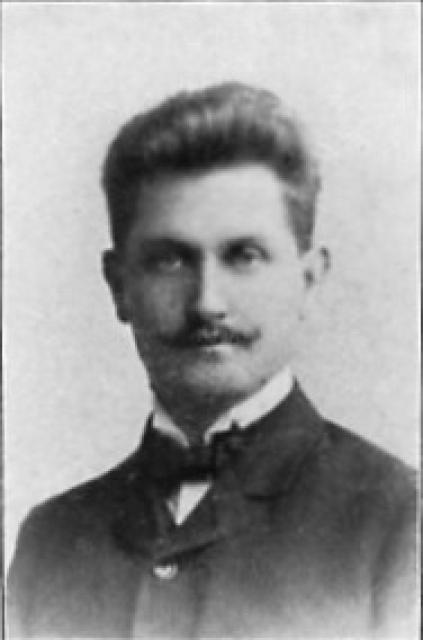
Kazimierz Bein (1872-1959), known by the pseudonym Kabe, was a Polish ophthalmologist and a renowned figure in the Esperanto movement.
Early Life and Activism
Bein was born in 1872 and actively participated in Polish independence movements, leading to his exile for several years. In 1899, he graduated from the medical faculty of Kazan University.
Ophthalmology and Esperanto
As an ophthalmologist, Bein published numerous scientific articles and founded the Polish Ophthalmological Society. He was also the director of the Warsaw Ophthalmological Institute. He discovered Esperanto in 1887 but became actively involved in the late 1890s.
Literary Contributions
Bein's translations from Polish, Russian, and German into Esperanto played a crucial role in the language's development. His translation of Wacław Sieroszewski's novel "Dno nędzy" (1904) earned him widespread recognition. In 1906, he became vice-president of the Esperanto Academy.
A Master of Style
Bein's unique and clear writing style established him as the "first Esperanto stylist." He avoided complex verb forms and successfully conveyed the nuances of the original texts. His first Esperanto dictionary (Vortaro de Esperanto) clarified vocabulary and provided usage examples, making a significant contribution to the standardization of Esperanto.
Departure from Esperanto
In 1911, at the peak of his success, Bein abruptly left the Esperanto movement without explanation. In a 1931 interview, he attributed his decision to disappointment with Esperanto speakers' proficiency and his belief that the language was not developing.
Legacy and the Neologism "Kabei"
Bein's sudden departure inspired the unique Esperanto neologism "kabei," meaning "to abruptly abandon Esperanto engagement." Despite his departure, his contributions remain highly valued in the Esperanto community.
Select Bibliography
Dno nędzy (1904)Vortaro de Esperanto (1911)