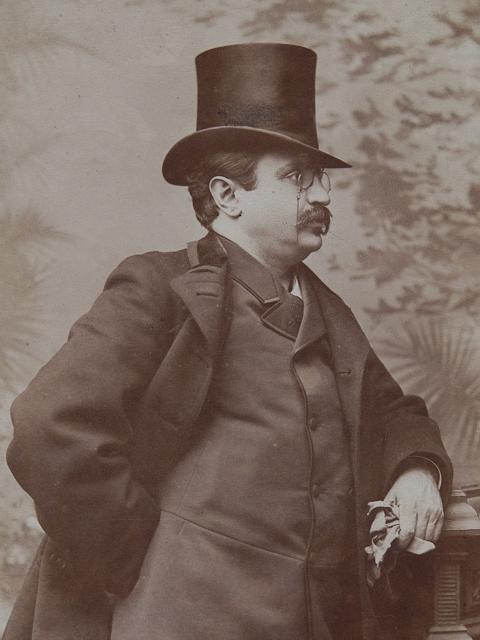
Kazimierz Zalewski
 Poland
- Early Life and Failed Plays
- Significant Advancements
- Political Commentary and Satire
- Other Works and Legacy
Early Life and Failed Plays
Stanisław Zaleski was born in Poland and pursued writing as a playwright and a publicist. However, his initial dramatic works faced setbacks. "Wycieczka za granicę" (1872), "Z postępem" (1874), and "Złe ziarno" (1876) all proved unsuccessful.
Significant Advancements
Zaleski's subsequent works marked a notable shift in his writing style. "Spudłowali," "Dama trefłowa," "Pani podkomorzyna," and "Artykuł 264" received critical acclaim. With these plays, Zaleski began to explore themes of social satire.
Political Commentary and Satire
In his later works, Zaleski ventured into the realm of political commentary. The comedies "Góra nasi" and "Friebe" showcased his astute observations of bourgeois society. "Friebe" incisively depicted the hypocrisy of those who espoused financial prudence but indulged in the same excesses as the aristocracy.
Other Works and Legacy
Beyond his satirical comedies, Zaleski also penned "Lis w kurniku," "Nasi zwycięzcy," and the historical drama "Marco Foscarini." From 1875 onwards, he served as editor of the conservative newspaper "Wiek," further cementing his status as a prominent voice in Polish literature.



