Kenji Kawakami
 Japan
Japan- Kenji Kawakami: The Mastermind Behind Chindōgu
- Radical Activism and Journalist Career
- Birth of Chindōgu
- The Chindōgu Principles
- Famous Chindōgu Creations
- Digital Technology and Chindōgu
- Legacy and Impact
Kenji Kawakami: The Mastermind Behind Chindōgu
Early Life and Passion for AviationKenji Kawakami was born in Nara, Japan in 1946. As a child, he was fascinated by airplanes and built a homemade glider in high school.

Radical Activism and Journalist Career
In 1967, Kawakami moved to Tokyo to study aeronautical engineering. However, he became disillusioned with the field and instead immersed himself in the works of Karl Marx and Petr Kropotkin. He joined a radical left-wing organization and participated in protests against the American military presence in Japan.
Birth of Chindōgu
After a period of unemployment, Kawakami worked as a freelance journalist, including writing scripts for the children's cartoon "Calimero." In the 1990s, while editing a catalog for rural housewives, he was struck by the consumerist mentality depicted therein.

The Chindōgu Principles
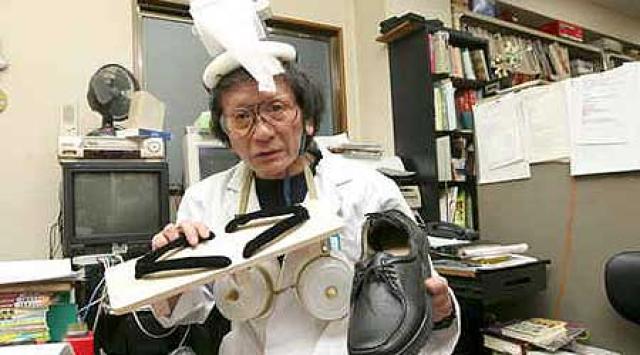
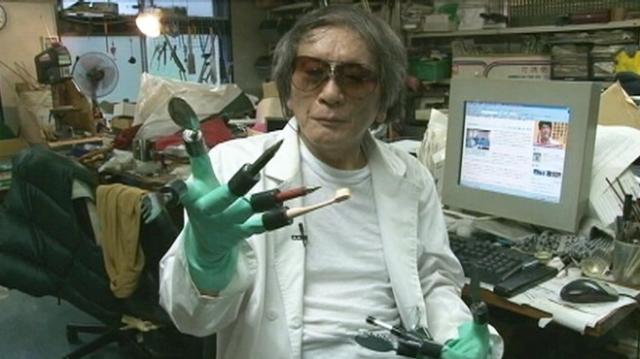
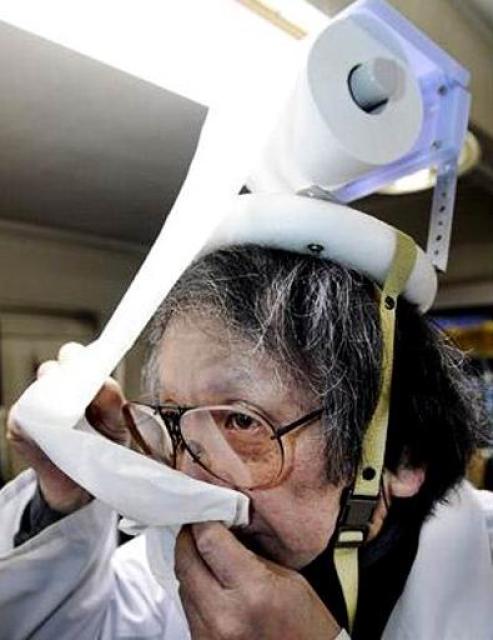
Inspired by his disdain for materialism, Kawakami began creating "chindōgu," defined as "unusual tools." Chindōgu are designed to be simultaneously useful and intentionally absurd, causing embarrassment to users.

Famous Chindōgu Creations
Among Kawakami's most famous chindōgu are:Chopsticks with built-in fans for cooling hot food
Goggles with funnels for administering eyedrops
Training wheels for high heels
A crawling suit that cleans floors
A support device for sleeping commuters
A device for pressing the Alt, Ctrl, and Del keys simultaneously
International Recognition and Artistic Exhibitions
Kawakami's chindōgu have gained worldwide recognition. They have been featured in books, exhibitions, and even discussed in academic circles. In 2013, his creations were showcased at the International Design Triennial in Marseilles.
Digital Technology and Chindōgu
Kawakami believes that chindōgu challenges the isolation and superficiality of digital technology. He encourages creators to design objects that foster human connection and meaningful experiences.

Legacy and Impact
Kenji Kawakami's chindōgu have inspired other artists and designers to create absurd and thought-provoking objects. His work continues to provoke laughter, challenge conventions, and remind us of the importance of human imagination and playfulness.