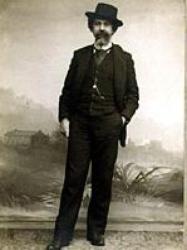
Kenneth Robinson
 Great Britain
- Kenneth Robinson: A Life Dedicated to Educational Transformation
- Career in Education and the Arts
- Recognition and Impact
- Educational Philosophy
Kenneth Robinson: A Life Dedicated to Educational Transformation
Early Life and EducationKenneth Robinson, born in Liverpool, England, faced early adversity. His father, James, became paralyzed after an industrial accident, and Kenneth himself contracted polio at the age of four. Despite these challenges, he pursued his education at a special school before transferring to mainstream classes. Robinson studied English and Drama at Leeds University and later earned a doctorate from the University of London in 1981, specializing in drama and theater in education.

Career in Education and the Arts
In the 1980s, Robinson became Director of Arts for the "Schools" project, an initiative to develop arts education in England and Wales. He also served as Professor of Education at the University of Warwick for 12 years and now holds an honorary professorship. Robinson has held distinguished positions at prestigious institutions such as the Rhode Island School of Design, Ringling College of Art and Design, Birmingham City University, and the Liverpool Institute for Performing Arts.

Recognition and Impact
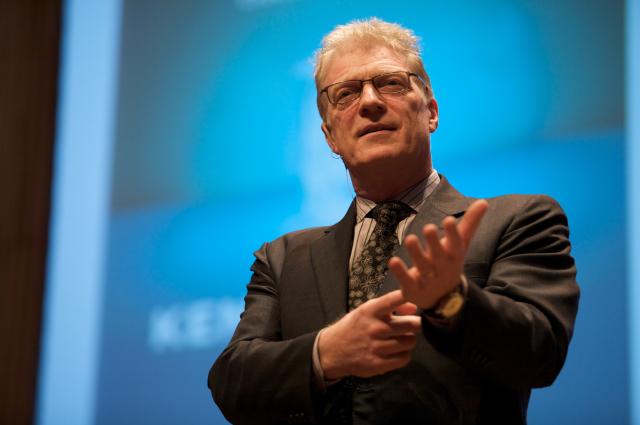
Robinson's contributions to education and the arts have earned him widespread recognition. In 2003, he was knighted by the Queen for his services to the arts. His 1998 report on creativity, education, and the economy influenced government policy and helped develop economic and creative strategies for peace-building in Northern Ireland. Robinson regularly speaks at TED conferences, with three of his presentations on creativity in education garnering over 28 million views on the TED website alone.

Educational Philosophy
Robinson is known for his critique of modern education, which he argues stifles creativity and discourages students from pursuing their passions. He advocates for:
- Individualization and diversity:Providing students with a broad range of opportunities and programs to help them discover their vocations.
- Nurturing curiosity:Encouraging teachers to foster students' inquisitive nature through reimagined curricula and teacher training.
- Encouraging creativity over standardized testing:Recognizing that creativity is a skill that should be nurtured rather than tested.
Robinson believes that the current British education system promotes conformity, standardization, and docility. He has authored several influential books on education, including "Learning Through Drama" (1977), "The Arts in Schools" (1982), and "Out of Our Minds: Learning to be Creative" (2001).