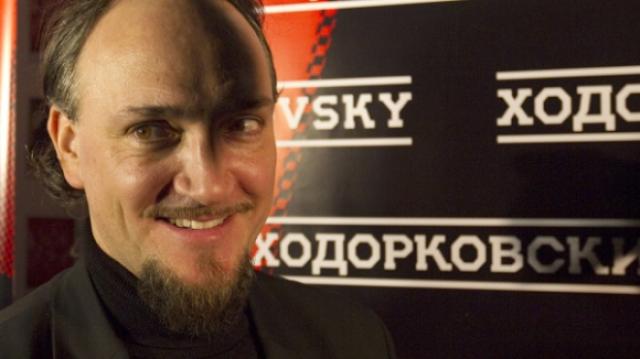
Kiril Tushi
- Early Exposure to Politics and the Allure of the Story
- Curiosity and the Search for Truth
- Fear and Paranoia during the Production
- Responsibility and the Impact of the Film
- Non-Partisanship and Open Dialogue
- The Controversy Surrounding the Film
- The Unspoken Truth and the Hope for Clarity
Early Exposure to Politics and the Allure of the Story
The documentary "Khodorkovsky" by director Kirill Tuschi delves into the controversial figure of Mikhail Khodorkovsky, a prominent Russian businessman and former oligarch. Tuschi's first encounter with Khodorkovsky's story occurred at the "Spirit of Fire" festival in Khanty-Mansiysk, where he was invited by Andrei Plakhov. The initial reaction sparked within him a fascination with the drama and the potential for a gripping film.
Curiosity and the Search for Truth
Despite the initial intrigue, Tuschi embarked on the project with reservations. He recognized the superficiality of his initial perspective and sought a deeper understanding of the complex narrative. The more he delved into the story, the less he felt certain of his answers.
Fear and Paranoia during the Production
During the early stages of filming, Tuschi was gripped by fear and paranoia. The assassinations of Anna Politkovskaya and Alexander Litvinenko weighed heavily on his mind. While visiting Russia, Tuschi removed the battery from his phone to avoid being tracked and experienced heightened anxiety.
Responsibility and the Impact of the Film
Tuschi acknowledges the immense responsibility he carries with producing a film about such a polarizing figure in Russian society. He recognizes the potential impact it could have on Khodorkovsky's life and on the broader Russian public, especially considering the timing of its release coinciding with the upcoming elections.
Non-Partisanship and Open Dialogue
Despite the inherently political nature of the subject matter, Tuschi emphasizes his intention to remain non-partisan. He seeks to facilitate open dialogue and critical thinking rather than advocating for or against any particular candidate or party. While recognizing the importance of democratic freedoms, Tuschi remains skeptical of the motivations of certain individuals involved in the film.
The Controversy Surrounding the Film
The Berlinale premiere of "Khodorkovsky" was met with rumors of a potential disruption. The alleged theft of a computer containing the final cut of the film only fueled the intrigue. Despite the subsequent revelation that the theft was unrelated to any political conspiracy, the film has gained a reputation as a controversial and forbidden piece of work.
The Unspoken Truth and the Hope for Clarity
Tuschi asserts that he has found the truth in his film, yet he acknowledges that there can be multiple perspectives on a complex issue. He believes that having a clear position allows for meaningful dialogue, while constant doubt and indecision lead to confusion. Despite his confidence in his own findings, Tuschi recognizes that a definitive understanding of Khodorkovsky's case may not be possible for many years to come.




