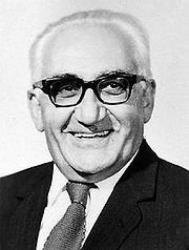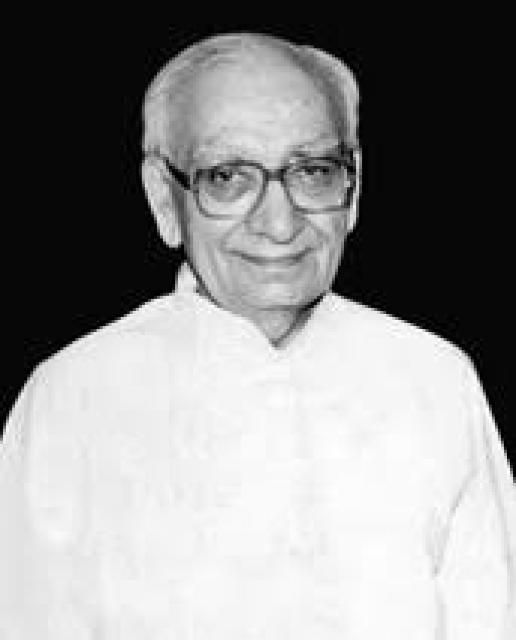
Krishan Kant
 India
India- An Illustrious Political Career
- Entry into Politics
- Parliamentary Service
- Governor of Andhra Pradesh
- Vice President of India
- Contributions to Nuclear Development
- Legacy
An Illustrious Political Career
Early Life and EducationKrishan Kant was a prominent Indian statesman and politician who dedicated his life to public service. Born in Punjab, India, he pursued his education at the University of Technology in Varanasi, where he actively participated in India's struggle for independence as a student.
Entry into Politics
In the mid-1970s, Kant embarked on his political career, joining the Indian National Congress. However, he was expelled from the party in 1975 due to his opposition to the emergency rule imposed by Prime Minister Indira Gandhi, which curtailed civil liberties. He subsequently joined the Janata Party.
Parliamentary Service
Kant served as a Member of the Council of States (Rajya Sabha) from 1966-1977 and the Lok Sabha (Lower House of Parliament) from 1977-1980. In 1976, he co-founded and became the first General Secretary of the People's Union for Civil Liberties and Democratic Rights.
Governor of Andhra Pradesh
From 1990 to 1997, Kant served as the Governor of Andhra Pradesh, where he played a crucial role in promoting economic and social development.
Vice President of India
Kant was elected Vice President of India in 1997, a position he held until 2002. As Chairman of the Rajya Sabha, he presided over the upper house of Parliament and guided its deliberations.
Contributions to Nuclear Development
Kant's commitment to India's national security extended to his involvement in the country's nuclear program. He was a member of the executive council of the Institute for Defence Studies and Analysis (IDSA) in Delhi, contributing to the development of India's nuclear deterrent.
Legacy
Krishan Kant's political career was marked by his unwavering principles, dedication to democracy, and commitment to the welfare of the Indian people. His contributions to Indian politics and society earned him widespread respect and admiration.