Krum
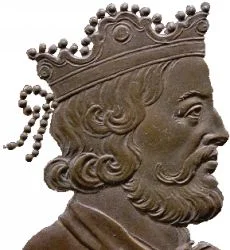
Krum turned Bulgaria into a formidable power in the Balkans, confronting the Byzantine Empire in a series of campaigns that reshaped the region. His victory over Emperor Nikephoros I in 811 became one of the most dramatic episodes in medieval history. Krum’s own origins remain obscure, but his reign left a clear mark on the growth and confidence of the First Bulgarian Empire.
A ruler on the rise
Krum ruled the Bulgars from about 803 until his death in 814. Little is known about his early life. He may have risen from the Bulgar communities in the former Avar lands north of the Danube, at a time when the Avar empire was collapsing under pressure from Charlemagne’s Franks. The exact circumstances of Krum’s accession are not recorded.
As ruler, he expanded Bulgarian authority across parts of the former Avar territory and into the Balkans. This brought him into conflict with Byzantium, whose emperors sought to recover lands and secure the empire’s northern frontier. Krum proved an effective military leader and a persistent diplomatic opponent, at times offering peace when it served Bulgarian interests.
The defeat of Nikephoros I
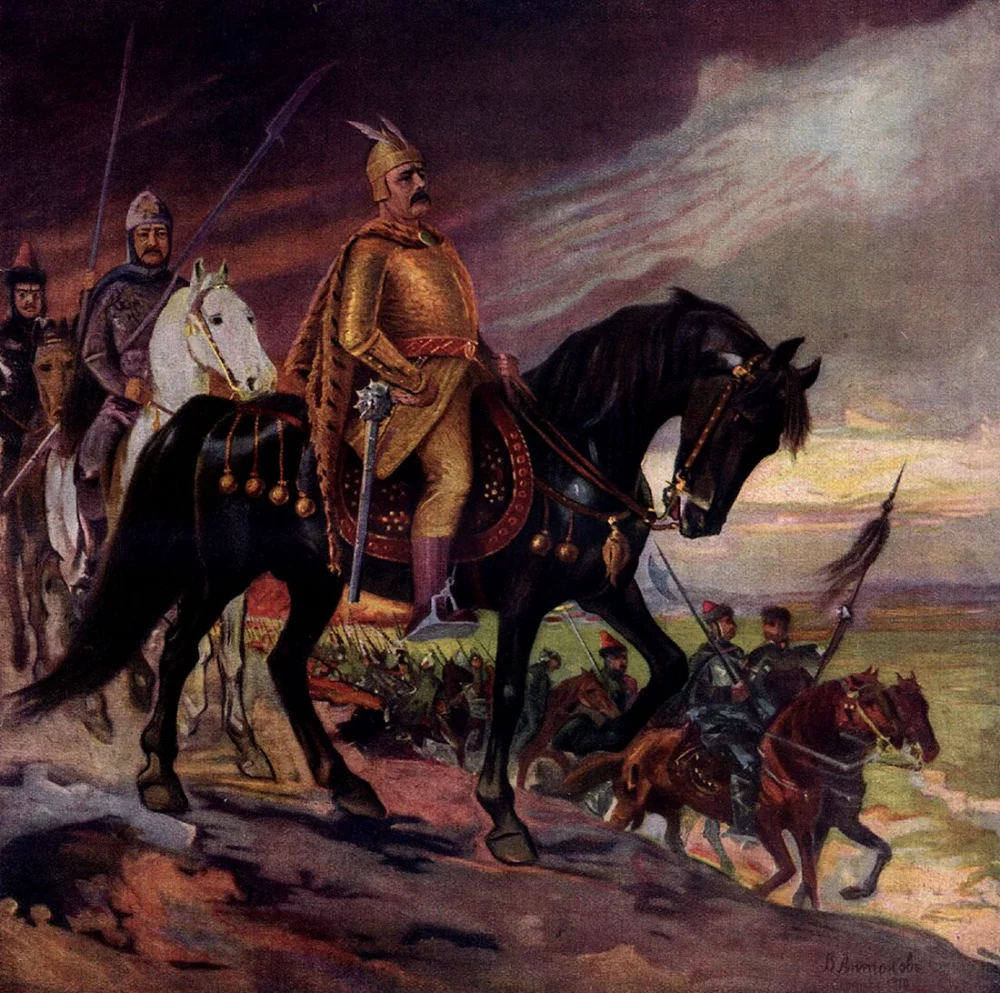
In 811, Byzantine Emperor Nikephoros I launched a major invasion of Bulgaria. His army captured and plundered Pliska, Krum’s capital, before beginning its return south. Krum’s forces ambushed the retreating Byzantines in the mountain passes, destroying much of the imperial army and killing Nikephoros himself. It was one of the rare occasions in Byzantine history when an emperor died in battle against a foreign enemy.
Later Byzantine accounts tell that Krum had the emperor’s skull fashioned into a silver-lined drinking cup. The story became a powerful symbol of his victory, though it comes through hostile and often dramatic accounts of the conflict. Whatever the details, the defeat was a severe blow to Byzantine prestige and confirmed Bulgaria’s strength.
Pressure on Constantinople
Krum continued to push south. Bulgarian forces captured important fortresses, including Mesembria on the Black Sea, and defeated another Byzantine army at Versinikia in 813. He then advanced toward Constantinople and besieged the imperial capital. The city’s defenses held, but the campaign demonstrated the scale of the threat he posed to Byzantium.
Krum died suddenly in 814 while preparing another assault, and his plans against Constantinople ended with him. His successor Omurtag made peace with Byzantium, but the state Krum had strengthened remained a major power in southeastern Europe.
A lasting reputation
Krum is remembered as both a conqueror and a builder of Bulgarian authority. A later Byzantine encyclopedia attributes laws to him, including measures against theft, false accusations and drunkenness, though scholars debate how reliable that account is. His military successes and the legend surrounding Nikephoros’s skull have made him one of Bulgaria’s most famous medieval rulers.
His reign showed that Bulgaria could challenge the empire not only through raids, but through organized campaigns and territorial expansion. Krum’s death halted his most ambitious plans, yet his victories ensured that the Byzantine court had to treat Bulgaria as a lasting rival.