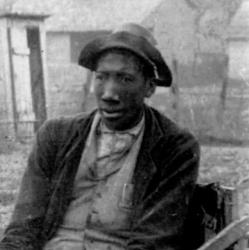
Laurie and Dorie Chappelle
 USA
- Early Life and Medical Circumstances
- Building Separate Lives
- George’s Gender Identity
- Recognition and Later Years
- Final Years and Legacy
Lori and George Schappell built two distinct lives while sharing a connection that shaped every part of daily life. Born joined at the skull, they became performers in very different arenas: Lori was a prize-winning bowler, while George pursued country music. Their lives challenged expectations about disability, identity, and what independence could mean.
Early Life and Medical Circumstances
The twins were born on September 18, 1961, in West Reading, Pennsylvania. Their skulls were partially fused, and they shared vital blood vessels and part of the brain, though they had distinct brains. George had spina bifida and could not walk, so Lori helped him move using an adaptive wheeled stool.
As children, they were placed in an institution for people with intellectual disabilities, although neither had an intellectual disability. They attended public school and took college classes. They remained close to their parents and siblings, and later spoke about the importance of learning to manage daily life together.
Building Separate Lives
The twins worked to preserve privacy and personal choice despite being physically connected. From age 24, they maintained their own residence. They developed routines that gave each sibling space, including separate bedrooms and individual schedules.
Lori worked in a hospital laundry for several years and became a trophy-winning ten-pin bowler. George pursued a career as a country singer, performing around the United States and abroad. In 1996, Lori left her laundry job so George could travel for performances. Their paths also brought them to television, documentaries, and a guest appearance on the medical drama “Nip/Tuck.”
George’s Gender Identity
Both twins were assigned female at birth. George later came out as a transgender man and began living publicly as a man in 2007. Lori supported her brother, describing their relationship as a strong team even as they navigated this major change together.
Their shared body meant that both siblings had to work through decisions about privacy and personal space with care. They spoke openly about compromise and respect, and rejected the idea of surgical separation. Doctors considered such an operation risky, and neither twin wanted it.
Recognition and Later Years
The Schappells were recognized by Guinness World Records as the oldest living conjoined twins. They lived to be 62, far exceeding early medical expectations. Their story attracted attention in interviews and television appearances, but they also emphasized ordinary interests, personal routines, and the effort to make individual choices.
Lori once became engaged, but her fiancé died in a car accident. George continued to perform music, while Lori pursued bowling and supported her brother’s career. Their life together was marked by distinctive ambitions as well as the everyday adjustments their physical connection required.
Final Years and Legacy
Lori and George died on April 7, 2024, at the Hospital of the University of Pennsylvania. They were 62. Their cause of death was not publicly disclosed.
Their lives became a rare and widely followed example of conjoined twins defining their own routines, ambitions, and identities. Lori and George did not present independence as separation: they made room for individuality while continuing to support one another.