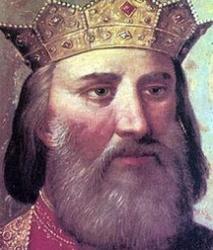
Lazar Khrebelyanovich
 Serbia
- Prince Lazar: The Last Independent Ruler of Serbia
- Rise to Power
- Reign and Diplomacy
- Ottoman Confrontation
- Battle of Kosovo and Martyrdom
- Legacy and Canonization
Prince Lazar: The Last Independent Ruler of Serbia
Lazar Hrebeljanović, the last independent ruler of Serbia, was born around 1370 and reigned until his tragic demise in 1389. Canonized as a saint by the Serbian Orthodox Church, Lazar's life and legacy have left an enduring mark on Serbian history and culture.
Rise to Power
Lazar's rise to prominence began after the death of Emperor Stefan Dušan, when the Serbian Empire fragmented into competing factions. Amidst this chaos, Lazar emerged as a formidable military leader, challenging the authority of Vukašin Mrnjavčević, who had seized power. He sought the support of Louis I of Hungary and successfully wrested control of Vukašin's domains, while Louis occupied Mačva.
Reign and Diplomacy
Despite his military prowess, Lazar did not assume the titles of king or emperor, instead styling himself as "prince and autocrat of all Serbian lands." From his capital in Kruševac, he ruled with wisdom and foresight, putting the welfare of his people ahead of his own ambitions.
Lazar's reign was marked by both internal and external challenges. Domestically, he faced the opposition of powerful nobles, particularly Vuk Branković, who ultimately betrayed him at the Battle of Kosovo. Internationally, the growing threat of the Ottoman Turks loomed large. In 1376, Lazar secured the recognition of the Serbian Patriarchate by the Byzantine Patriarchate, breaking free from the curse imposed upon Serbia during the reign of Stefan Dušan.
Ottoman Confrontation
Despite paying tribute to the Turks, Lazar harbored aspirations of liberating Serbia. He forged an alliance with Tvrtko I of Bosnia and George Castrioti Skanderbeg of Albania. In 1389, Sultan Murad I invaded Serbia with a vastly superior army, leading to the fateful Battle of Kosovo.
Battle of Kosovo and Martyrdom
On June 15, 1389, Lazar's army faced the Ottoman forces on the Plain of Kosovo. Before the battle, an angel appeared to Lazar, offering him the choice between earthly victory and martyrdom. Lazar chose the latter, leading his troops to a heroic sacrifice. He fell in battle, and his body was later decapitated.
Legacy and Canonization
Lazar's death became a symbol of Serbian resistance against Turkish occupation. His remains were interred at the Ravanica Monastery, where his relics are venerated by pilgrims to this day. In 1389, Lazar was canonized as a saint by the Serbian Orthodox Church, and his memory continues to be honored through folk songs and religious commemorations.
Lazar's enduring legacy as a great ruler and martyr is a testament to his courage, wisdom, and unwavering faith. His vision of a free and independent Serbia inspired generations of Serbs and remains an enduring source of national pride and identity.