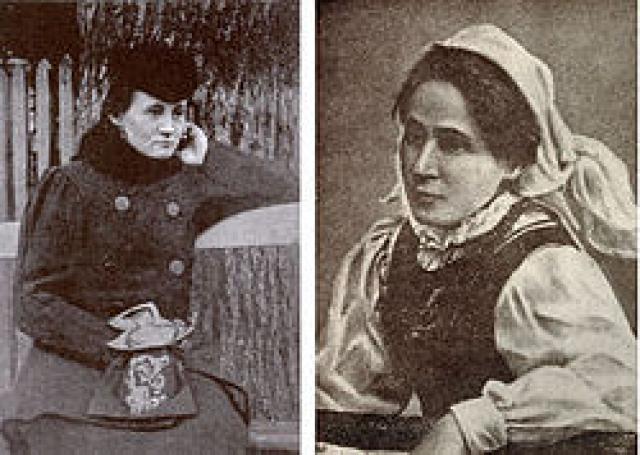
Lazdynu Peleda
 Lithuania
- The Dual Authorship of Lazdynu Peleda
- Sofija Ivanauskaitė-Pšibiliauskienė: The Dominant Voice
- Marija Ivanauskaitė-Lastauskienė: The Collaborator
- Thematic Focus
- - The plight of women
- Legacy and Recognition
The Dual Authorship of Lazdynu Peleda
The pseudonym Lazdynu Peleda conceals the combined literary efforts of two Lithuanian sisters, Sofija Ivanauskaitė-Pšibiliauskienė and Marija Ivanauskaitė-Lastauskienė.
Sofija Ivanauskaitė-Pšibiliauskienė: The Dominant Voice
From 1898 to 1908, the majority of works published under the pseudonym Lazdynu Peleda belonged to Sofija Ivanauskaitė. After her marriage to landowner Pšibiliauskas in 1891, she adopted the name Sofija Pšibiliauskienė.
Marija Ivanauskaitė-Lastauskienė: The Collaborator
Beginning in 1908, Marija Ivanauskaitė, who later married Belarusian activist Vaclav Lastauskas, also contributed to the Lazdynu Peleda repertoire. She wrote in Polish, and her works were skillfully translated into Lithuanian by her sister.
Thematic Focus
Lazdynu Peleda's prolific literary output primarily addressed the following themes:
- The plight of women
- The conditions of rural Lithuanian life- The decline of the aristocracy
- The tensions between peasants and landowners
Notable Works
Among the most significant works attributed to Lazdynu Peleda are:
- Novellas: "The Wanderer" (1902), "Vanished Like a Dream" (1908), "Mistake" (1908), "New Path" (1912), "Mr. Dramblyavicius" (1921)
- Short stories: "The Orphan" (1898), "At the Manor's Edge" (1907), "Mother's Call" (1908), "First Service" (1922)
Legacy and Recognition
In memory of the Ivanauskaitė sisters, a memorial museum was established in their hometown in 1966. Furthermore, a monument titled "The Sisters" was unveiled in Vilnius in 1995, commemorating their literary achievements.




