Lee Iacocca
 USA
USABiography of Lee Iacocca
Lee Anthony Iacocca was born on October 15, 1924, in Allentown, Pennsylvania, to a family of Italian immigrants. From a young age, he started working and helping customers carry heavy shopping bags. After the Great Depression, Iacocca became materialistic and focused solely on making money. His main goal was to become a millionaire.
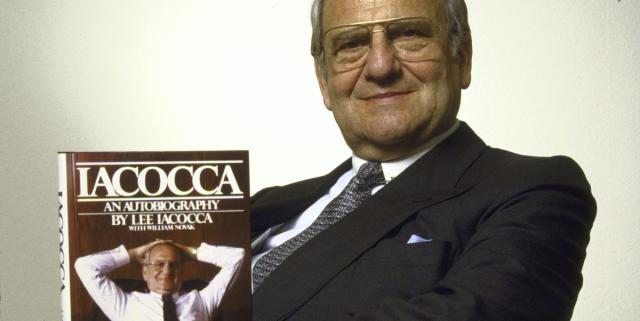
After completing his education at Princeton, he started working at Ford in the production department in 1946. In 1956, he married Mary McCleary, emphasizing the importance of family in his life. Throughout his long career, Iacocca achieved numerous accomplishments. When he became head of sales at Ford, he quickly led the department to the top position. Due to his achievements, Iacocca was appointed as the president of Ford in 1970, a position he held until 1978.
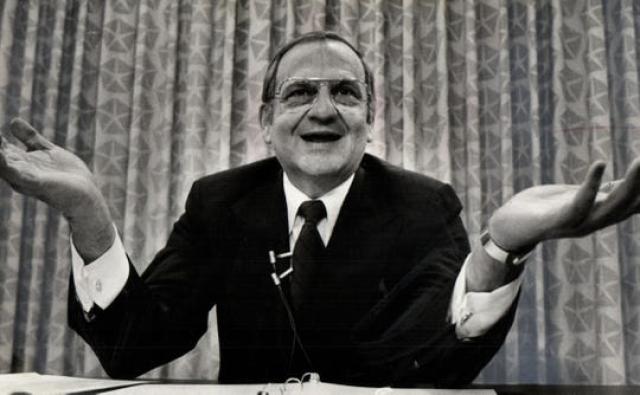
After leaving Ford, Iacocca didn't remain unemployed for long. Just a few months later, he became the president and later the CEO of another prominent American automobile company, Chrysler, where he worked for 46 years until 1992. In 1978, Chrysler faced significant difficulties, and Iacocca had to restructure the entire company to make it profitable again.
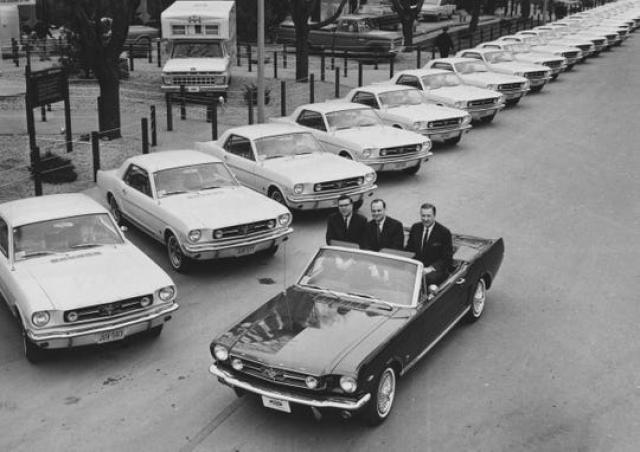
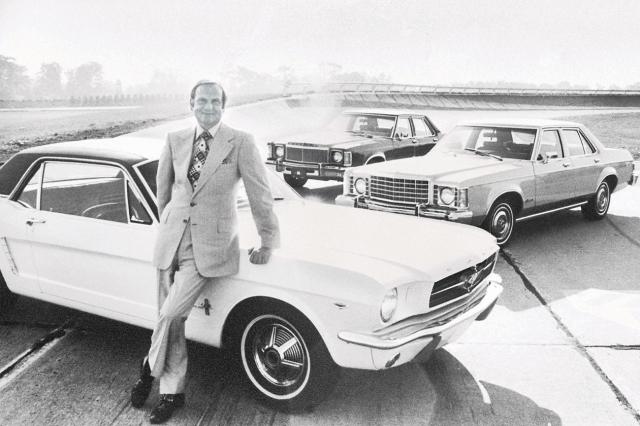
In the 1960s, American car manufacturers faced the challenge of creating a new car that would meet the demands of a changing society. Iacocca took on this task when he became the vice president of Ford in 1960. In 1964, they successfully created the Mustang, one of the most important cars in American history.
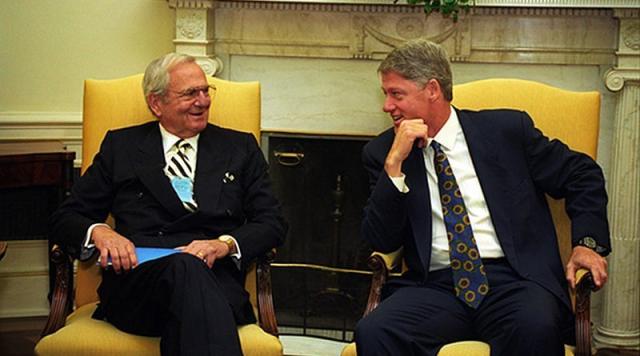
Once at Chrysler, Iacocca quickly realized that there were many talented individuals within the company, but they were working individually rather than as a team. He initiated changes that ultimately improved the company's performance, although it took a year for the results to show.
To save Chrysler, Iacocca reached out to the government for assistance. His exceptional communication skills played a crucial role as he convinced congressmen to grant Chrysler a $1.5 billion loan, which had to be paid back by 1990 (Chrysler actually repaid the loan in 1983).

One of Iacocca's effective moves was setting his own salary at $1 per year. This symbolized the sacrifices everyone had to make to save the corporation. Ultimately, Chrysler was saved thanks to the "K-Car" model, which Iacocca initiated and directly participated in creating. The "K-Car" was introduced in 1981, generating profits and allowing for the production of new models. The next successful model was the minivan. In 1984, the corporation achieved record profits of $2.4 billion, a testament to Iacocca's ideas.
Iacocca is also known as a remarkable storyteller. While working at Chrysler, he received approximately 8,000 invitations to give lectures each year. He continues to give 5-6 lectures annually, earning $50,000-$60,000 for a 30-minute speech. When asked why he continues to earn money despite being financially secure, Iacocca stated that he wants to accumulate $20-30 million to donate to diabetes research, as his first wife, Mary, passed away from the disease in 1983. He has already donated approximately $15 million of his personal savings to the Iacocca Competition Research Institute at his alma mater.
After retiring in 1992, Iacocca attempted to enjoy three years of retirement but claimed to have been more tired during that time than in his previous 47 years of work. In the 1990s, he managed a chain of restaurants called "Ciao Ciao" and served as the CEO of EV Global Motors, a company that manufactured and sold electric bicycles worldwide.
Iacocca believed in the importance of acknowledging and praising good ideas and being a good listener as a successful manager. He once said, "You don't have to accept every rationalization, but if you don't say, 'This is a great idea!' and pat the person on the back, they will never suggest anything to you again. This kind of reaction shows people that they matter." He also emphasized the importance of secretaries being productive and avoiding idle chatter as a sign of a decaying organization.