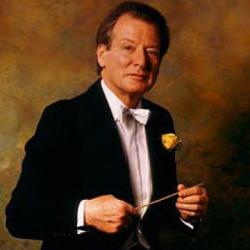
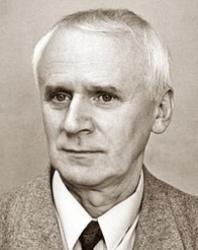
Leopold Gershkovich
 Russia
- Early Life and Career Beginnings
- The Path to Conducting
- The Conductor's Influence
- Overcoming Challenges
- The Power of Inspiration
- A Commitment to Nurturing Young Talent
- Maintaining Artistic Standards
Early Life and Career Beginnings
Leopold Gershkovich, celebrated conductor, professor, and Honored Artist of Russia, recently commemorated two significant milestones: his 75th birthday and 55 years of artistic career. With over three decades of acclaimed performances and generations of pupils trained under his tutelage at the Academy of Choral Arts and GITIS, where he has been teaching for many years, Gershkovich's musical legacy is vast and enduring.
His journey into the realm of music began with the violin, as a young boy in Moscow. However, the onset of war forced him to relocate with his family, and his brief musical education was momentarily halted. After settling in the Moscow region, he enrolled in a choral school, where he first encountered the art of conducting. Inspired by the magic of the conductor at the Bolshoi Theatre, Gershkovich yearned to lead orchestras and create musical marvels himself.
The Path to Conducting
After graduating from the choral school, Gershkovich gained practical experience as a choirmaster and conductor at a musical theater in Krasnoyarsk. His exceptional work on the operetta "Kiss of Chanita" earned him the position of principal conductor, but his thirst for knowledge beckoned him to pursue further studies.
Returning to Moscow, he enrolled in the研究生院 (graduate school) of the Moscow Conservatory, specializing in opera-symphonic conducting. Trained under renowned professors Nikolai Pavlovich Anosov and his son, Gennady Rozhdestvensky, Gershkovich honed his skills and developed his distinctive artistry.
The Conductor's Influence
In the realm of music, the conductor holds immense power and influence over the musicians. Gershkovich believes that a conductor's charisma and exceptional intellect are paramount. Moreover, they must possess exceptional coordination and, in the context of musical theater, the ability to masterfully manage the diverse elements of an orchestra, chorus, soloists, and dancers.
Gershkovich emphasizes that genuine authority stems from the conductor's ability to connect with the musicians and inspire them through a shared passion for music. Leaders must have the capacity to motivate, guide, and communicate effectively, conveying their vision through gestures, expressions, and even subtle nuances.
Overcoming Challenges
Despite his achievements, Gershkovich acknowledges that not all conductors are universally accepted. Some may struggle due to a lack of communication skills or a challenging personality. According to Gershkovich, a successful conductor must strike a balance between authority and empathy, nurturing a mutually respectful relationship with the musicians.
The Power of Inspiration
Gershkovich cites Herbert von Karajan as an unparalleled figure among conductors. His exceptional artistry, captivating presence, and profound understanding of music continue to inspire Gershkovich. Far from fueling envy, such admiration fuels his desire to strive for excellence and continuously enhance his craft.
A Commitment to Nurturing Young Talent
Gershkovich strongly advocates for the introduction of choral singing lessons in schools as a means of fostering a love for music among young people. He believes that, just as in sports, musical talent requires early exposure and cultivation. By providing children with the opportunity to experience the joy of music, they are more likely to develop a lifelong passion for it.
Maintaining Artistic Standards
In the competitive realm of music, Gershkovich recognizes the importance of maintaining high artistic standards. While some may seek to surround themselves with individuals perceived as less capable to enhance their own perceived stature, Gershkovich has always welcomed talented musicians into his ensembles. He credits the unwavering support and dedication of his fellow conductors, Konstantin Kvatynets among them, for upholding the exceptional level of musical performance at their theater.