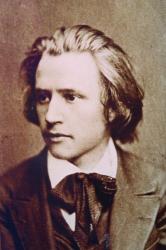
Leroy Anderson
 USA
USA- American Composer: Leroy Anderson
- Early Life and Education
- Musical Career
- Military Service
- Post-War Success
- Innovative Style
- Legacy
American Composer: Leroy Anderson
Leroy Anderson was an American composer known for his short, lighthearted concert pieces, primarily performed by the Boston Pops Orchestra under Arthur Fiedler. He was hailed by John Williams as one of the great masters of light orchestral music.
Early Life and Education
Born in Cambridge, Massachusetts, to Swedish immigrant parents, Anderson studied piano with his mother and later at the New England Conservatory of Music. He pursued further education at Harvard University, where he excelled in music theory, composition, and instrumental performance. His academic interests extended beyond music to German and Scandinavian languages, which he mastered alongside English and Swedish.
Musical Career
While attending Harvard, Anderson worked as an organist and choir director. His arrangements caught the attention of Arthur Fiedler in 1936, who invited him to submit original compositions. Anderson's unique talent immediately impressed Fiedler, leading to a fruitful collaboration.
Military Service
During World War II, Anderson served as a translator in Iceland and later as head of the Scandinavian section of the War Department's Military Intelligence Division. Despite his military duties, he continued to compose, producing notable works such as "The Syncopated Clock" and "Promenade."
Post-War Success
After his discharge, Anderson's compositions gained widespread recognition. Instrumental recordings like "Blue Tango" sold millions of copies, while "Sleigh Ride" and "The Syncopated Clock" became popular holiday tunes. "The Syncopated Clock" was featured as the theme music for the long-running "The Late Show" on CBS.
Innovative Style
Anderson's musical style was characterized by unconventional instrumental effects and the use of unusual sound sources such as typewriters and sandpaper. He composed the music for the Broadway musical "Goldilocks" in 1958, which won two Tony Awards but was financially unsuccessful. Disappointed, Anderson focused solely on orchestral miniatures.
Legacy
Anderson's compositions have been performed by orchestras and ensembles of all levels, from amateur school bands to major professional groups. His legacy lives on through the numerous recordings of his works and the continued popularity of his lighthearted and charming orchestral creations. Anderson passed away in 1975 from cancer in Woodbury, Connecticut.