
Li-Chi Pan
 Australia
Li-Chi Pan built a career around making everyday meals look inviting on screen. A Sydney-based food photographer and blogger, she began by sharing pictures of her own lunches; in time, an Instagram account created to keep up with friends and family became a platform for a much wider community of people interested in food and photography.
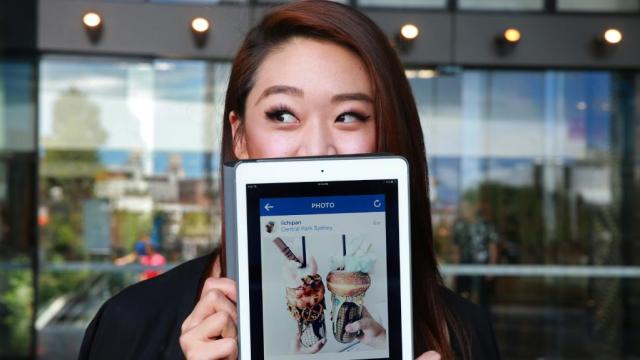
An everyday habit becomes a craft
Pan’s early photographs grew out of an ordinary pleasure: noticing what she was eating and wanting to preserve the moment. Instead of treating food as a formal still-life subject, she favored images that felt immediate and personal. Her approach stressed originality over perfection. She has described elaborate presentation as something that can make food feel artificial, preferring pictures that retain the character of the dish.
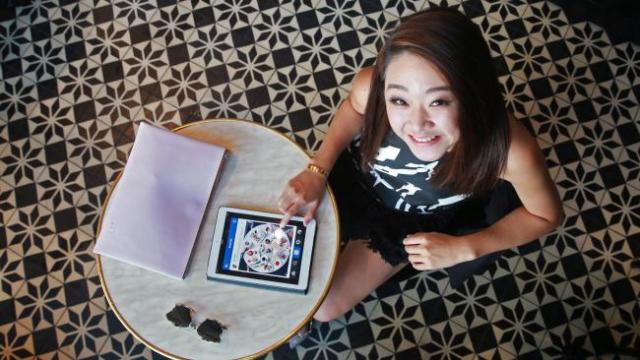
That sensibility helped distinguish her work in the crowded world of food photography online. Soft pastel colors and neutral tones became part of her visual vocabulary. Natural light, a consistent use of filters and regular posting were central to the process she recommended to aspiring photographers. The emphasis was less on expensive equipment than on a recognizable eye and the discipline to keep creating.

Building an audience online
Pan created an Instagram profile and an accompanying website and blog, updating her writing and photographs regularly. By 2017, a profile of her work reported that she had more than 500,000 Instagram followers. What began as a way to stay connected with people close to her had become a meeting place for a large audience who shared her enthusiasm for both meals and images.
The platform also changed the way she encountered restaurants. Pan was invited to try dishes at Australian restaurants and other well-known venues, sometimes as a guest, and then shared photographs with her followers. The arrangement reflected the emerging role of food photographers and bloggers as a bridge between a dining room and people deciding what to eat: one carefully framed dish could travel well beyond the restaurant where it was served.
Tools and community
Pan’s process combined an eye for composition with accessible editing tools. She has cited apps including Afterlight, VSCOcam and Snapseed among the tools she used to refine images. Instagram itself served as both a portfolio and a source of ideas, while Pinterest offered another visual library to browse.
She also emphasized the importance of community. Connecting with other people who share an interest in food and photography, she said, can lead to collaboration and shared learning. That outlook shaped her view of online success: creators could help one another grow, rather than treating attention as a prize that only one person could win.
A digital food world
Pan’s story captures a shift in how food photography found its audience. The images did not have to begin in a cookbook or magazine; they could start with lunch, reach readers through a social feed and grow into a professional presence. Her work drew on the visual pleasures of food while remaining rooted in an informal, personal style.
The combination of consistency, accessible technique and community helped turn a personal Instagram habit into a recognizable Sydney-based creative practice. For Pan, the appeal of photographing food lay not in making every meal look perfect, but in finding a distinctive way to make people pause, look and want to share the experience.


