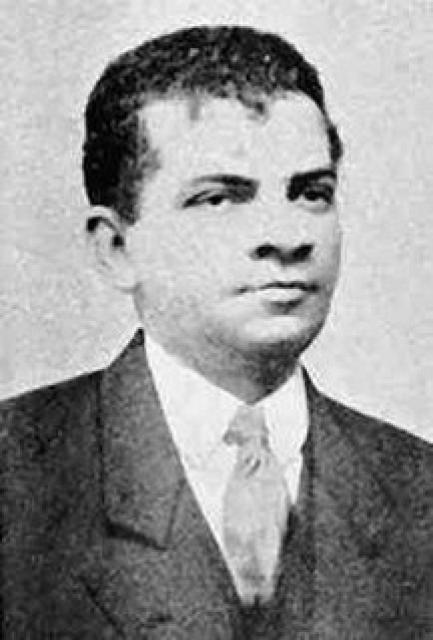
Lima Barreto
 Brazil
- Afonso Henriques de Lima Barreto: A Brazilian Literary Icon
- Literary Career
- Mental Health Struggles and Hospitalizations
- Notable Works
- Literary Recognition in Russia
- Legacy
Afonso Henriques de Lima Barreto: A Brazilian Literary Icon
Early Life and EducationAfonso Henriques de Lima Barreto was born into a humble family of mixed ethnicity in Rio de Janeiro, Brazil. Despite the abolition of slavery in 1888, Barreto's financial constraints prevented him from completing his engineering studies and he turned to journalism.
Literary Career
Barreto's writings were characterized by sharp satire and irony. He was a vocal critic of bourgeois society, exposing its shortcomings. In the Soviet era, he was hailed as a revolutionary figure advocating for Latin American independence and social progress.
Mental Health Struggles and Hospitalizations
Barreto's mental health struggles led to two hospitalizations in 1914 and 1918. Despite these challenges, he continued to write prolifically.
Notable Works
Barreto's masterpiece, "Triste Fim de Policarpo Quaresma" (The Sad End of Policarpo Quaresma), became a renowned novel and was adapted into a feature film. Many of his other works were published posthumously.
Literary Recognition in Russia
Barreto's works have been translated into Russian, including his novel "The Memoirs of an Archivist" and the short story "The Man Who Knew Javanese." The latter was published in the literary journal "Fenestro."
Legacy
Afonso Henriques de Lima Barreto left an enduring mark on Brazilian literature. His incisive social commentary and unique literary style continue to inspire and provoke readers today.


