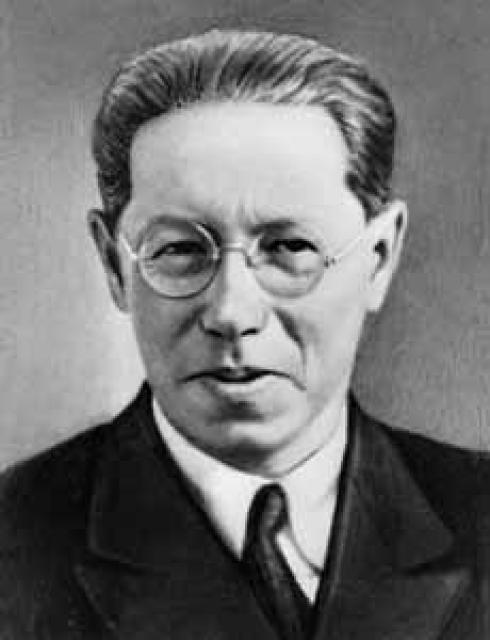
Lion Feuchtwanger
 Germany
- Lion Feuchtwanger: A German Literary Luminary
- Early Life and Education
- Anti-War Plays and Controversies
- Historical Romances and Literary Success
- Exile and Later Works
- Legacy and Recognition
Lion Feuchtwanger: A German Literary Luminary
Born on July 7, 1884, in Munich, Lion Feuchtwanger was a German novelist and playwright who left an enduring legacy on literature.
Early Life and Education
Feuchtwanger pursued philosophy at the universities of Munich and Berlin but soon shifted his focus to literature. His extensive travels provided him with a rich tapestry of experiences that would later shape his writing.
Anti-War Plays and Controversies
During World War I, Feuchtwanger penned several anti-war plays that drew the ire of authorities and were banned. These plays reflected his deep-seated pacifism and his belief in the horrors of armed conflict.
Historical Romances and Literary Success
Feuchtwanger achieved literary acclaim with his historical novels, which blended historical events with keen psychological insights. Notable works include "Jud Süß" (1920–1922), "Erfolg" (1926), and his trilogy on the Jewish-Roman conflict, "Der Jüdische Krieg" (1932), "Die Söhne" (1935), and "Der Tag wird kommen" (1942).
Exile and Later Works
The rise of Nazism forced Feuchtwanger to seek refuge in France and later in the United States in 1940. In exile, he continued to write prolifically, producing works such as "Waffen für Amerika" (1947–1948), "Goya" (1951), "Narrenweisheit" (1952), and "Spanische Ballade" (1956).
Legacy and Recognition
Lion Feuchtwanger died in Los Angeles on December 21, 1958. His novels and plays have been translated into numerous languages and continue to be read and studied worldwide, cementing his status as a literary giant who fearlessly explored the complexities of history and human nature.