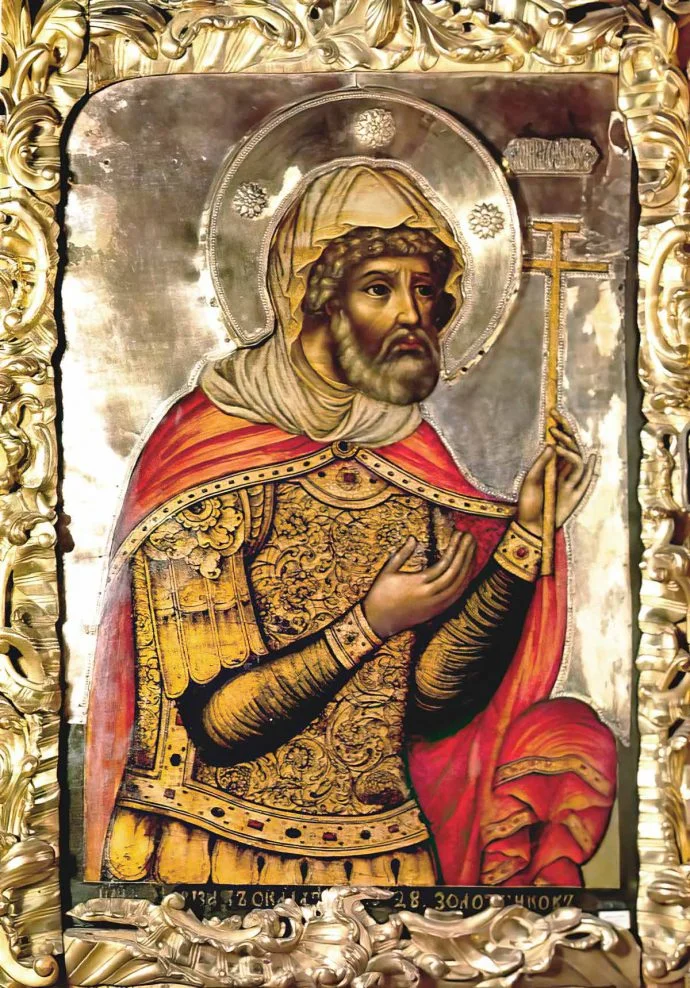
Longinus
Longinus is the name given in later Christian tradition to the Roman soldier associated with the spear thrust at Jesus’ crucifixion. The canonical Gospel of John describes an unnamed soldier piercing Jesus’ side, while other Gospel accounts mention a centurion who recognized Jesus’ innocence or divine status. Later Christian writers brought these figures together and gave the soldier the name Longinus.
The Gospel account
In John’s Gospel, a Roman soldier pierces Jesus’ side after his death, and blood and water flow from the wound. The text does not name the soldier or provide details of his life. In the Gospels of Matthew and Mark, a centurion at the crucifixion responds to the events by declaring Jesus to be the Son of God. Those passages do not identify the centurion as the soldier with the spear.
The name Longinus appears in later Christian literature, especially in versions of the apocryphal *Gospel of Nicodemus*, also known as the *Acts of Pilate*. In some versions it refers to the soldier who uses the spear; other traditions identify Longinus with the centurion. The name may derive from the Greek word for “lance,” though its precise origin is uncertain.
Legend and conversion
As the story developed, Longinus became a convert to Christianity. Later accounts say he was healed of poor eyesight when blood from Jesus’ wound reached his eyes, and that he then recognized the truth of the Christian faith. These details are part of devotional legend rather than the canonical Gospel narratives.
Tradition places Longinus’s later preaching and martyrdom in Cappadocia. Stories describe him leaving military service, spreading Christianity and eventually being executed for his beliefs. The chronology and historical details of these accounts cannot be independently verified.
Veneration and legacy
Longinus became a popular figure in Christian art and liturgy. Artists often portray him holding a spear near the cross, and the “Lance of Longinus” became an important relic tradition in several churches. His feast is observed on different dates in Western and Eastern Christian calendars.
The figure’s enduring significance comes from the way Christian tradition transformed an unnamed participant in the crucifixion into a witness who came to faith. Longinus is therefore remembered not only for the spear, but also for the story of recognition and conversion that later communities attached to him.



