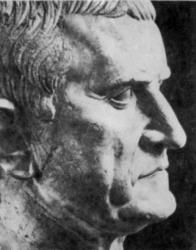
Lotar 3
- The Rise of Lothair III
- Election to the Throne
- Conflict with the Hohenstaufen Dynasty
- Alliances and Struggles
- Opposition from Nuremberg and Würzburg
- Conrad's Italian Expedition
- Lothair's Triumph
- Reign as Holy Roman Emperor
The Rise of Lothair III
In 1106, Lothair, the Duke of Saxony, emerged as the most powerful of the north German princes. He led a rebellion against King Henry V, who attempted to strengthen royal power.
Election to the Throne
Upon Henry V's death in 1125, Lothair secured support from religious leaders and ascended to the German throne. His election marked a significant increase in the influence of the clergy under his reign.
Conflict with the Hohenstaufen Dynasty
Despite initial expectations that Frederick II of Swabia would become king, ecclesiastical intrigue resulted in Lothair's election. Frederick II, a nephew of the late King Henry V, was seen as a formidable candidate with prominent family connections.
Alliances and Struggles
Lothair formed an alliance with the Welf dynasty by arranging the marriage of his daughter Gertrude to the young Duke Henry of Bavaria. The conflict with the Hohenstaufen dynasty escalated, with Lothair facing setbacks in a campaign against the Czechs. However, he eventually gained the support of Duke Sobeslav of Bohemia.
Opposition from Nuremberg and Würzburg
The cities of Nuremberg and Würzburg remained staunchly loyal to the Hohenstaufens, prolonging the struggle. Duke Henry of Bavaria, despite his ambitious nature, failed to make significant contributions to the conflict.
Conrad's Italian Expedition
In 1128, Frederick II's younger brother, Conrad, traveled to Italy in search of support. He gained the favor of Milan, but his efforts to seize Matilda's inheritance were unsuccessful.
Lothair's Triumph
Lothair emerged victorious in Germany, capturing the Hohenstaufens' strongholds of Speyer and Nuremberg in 1130. Frederick II remained undefeated in his own duchy but was unable to establish Hohenstaufen dominance.
Reign as Holy Roman Emperor
In 1133, Lothair was crowned Holy Roman Emperor. As a devout follower of the Church, he sought its blessing but maintained his independence and ambition. He pursued a policy of strengthening royal authority and expanding his influence in the Empire.