Louis Couperin
 France
- Louis Couperin: The Pioneer of the French Musical Dynasty
- Move to Paris and Professional Success
- Compositions and Legacy
- Personal Life and Death
Louis Couperin: The Pioneer of the French Musical Dynasty
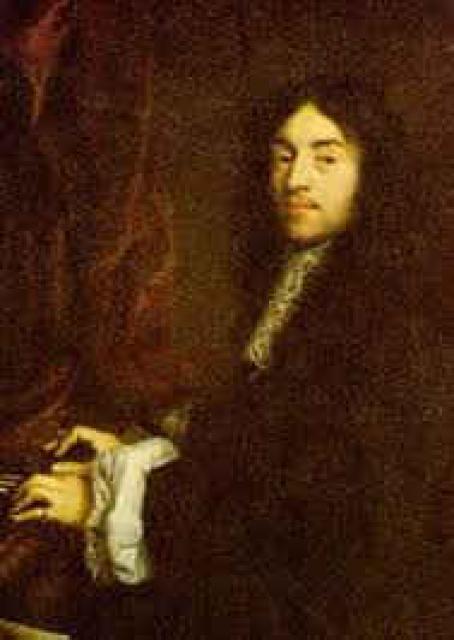
Early Life and EducationLouis Couperin, born around 1626 in Chaumes-en-Brie, was the eldest son of Charles Couperin, a local church organist. With two musically inclined younger brothers, Charles and François, Couperin received early exposure to music at home.
Move to Paris and Professional Success
Around 1650, Louis Couperin's talents caught the attention of Jacques Chambonnières, the king's harpsichordist. Impressed by a concert performed by Couperin's brothers, Chambonnières offered the young composer mentorship and took him to Paris in 1651.
In 1653, Couperin was appointed organist at the Church of Saint-Gervais. His career continued to flourish as he held various positions at the royal court, including that of gambist. Despite an offer to replace Chambonnières as the king's harpsichordist, Couperin respectfully declined out of loyalty to his mentor.
Compositions and Legacy
Louis Couperin was a prolific composer who left behind a substantial body of music. His harpsichord works, including dances (allemandes, sarabandes, etc.) and more unusual forms (branles, voltas), showcase his innovative use of harmony and his mastery of the instrument. His chaconnes, passacaglias, and free-form preludes stand out for their distinctive notational style and introspective nature.
Couperin's organ music, rediscovered in the 20th century, consists primarily of fugues ("fantasias") and variations on church hymns. His compositions reflect his desire to break away from the strict polyphonic style of earlier French organists, introducing notated registrations and melodic turns that would later characterize the French organ school.
Personal Life and Death
Little is known about Couperin's personal life. He died in 1661 at the age of 35, leaving behind a rich musical legacy that laid the foundation for the renowned Couperin musical dynasty. His works remain a testament to his originality, technical skill, and the formative role he played in the development of French music.