Lubov Polishuk
 Russia
- From Omsk stages to Moscow
- A screen presence that could steal a scene
- A lasting connection with audiences
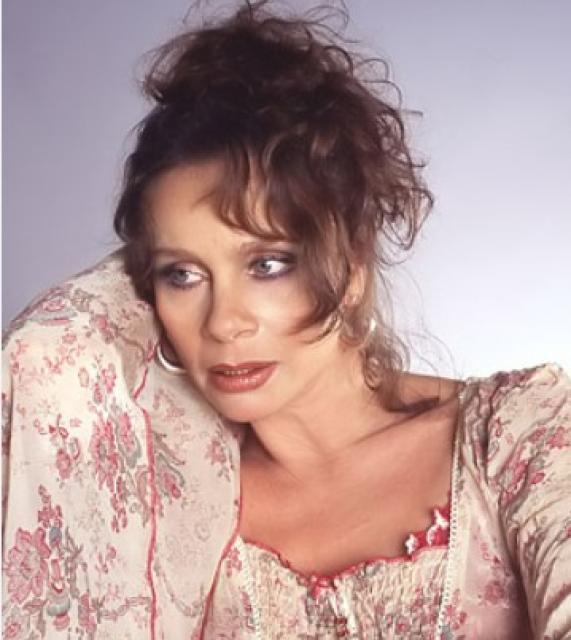
Lyubov Polishchuk was a Russian stage and screen actress whose comic timing, expressive voice and striking presence made even a short appearance memorable. She rose from variety performance in her native Omsk to become one of the most recognizable faces in Soviet and Russian popular entertainment, moving with ease between theatrical monologues, musical comedy and dramatic roles.
From Omsk stages to Moscow
Polishchuk was born in Omsk on 21 May 1949. After finishing school, she went to Moscow hoping to enter a theatre institute, but missed the entrance examinations. Back in Omsk, she began performing with the local Philharmonic’s variety ensemble, where she sang, danced, acted and presented theatrical programs.
She trained at the All-Russian Creative Workshop of Variety Arts, graduating in 1967, then returned to work in Omsk. Her performances included monologues written for her by satirist Mikhail Zhvanetsky. In the early 1970s she was invited to join the Moscow Music Hall, where she played a leading role in “The Red Arrow Arrives in Moscow.” The combination of musical skill and sharp comic delivery became a calling card.
From 1979, she worked with the Moscow Theatre of Miniatures, later known as the Hermitage Theatre. She also completed formal acting studies at GITIS in 1985. In the 1990s she joined the School of Modern Play and appeared in private theatrical productions, continuing to make the stage a central part of her career.
A screen presence that could steal a scene
Polishchuk made her film debut in 1974, but a small appearance in Mark Zakharov’s 1976 television adaptation of “The Twelve Chairs” brought her wide attention. In a celebrated scene, she dances a tango with Andrei Mironov’s Ostap Bender. The moment showcased her physical comedy and dance ability, and helped audiences recognize a performer who could make an impression in just a few minutes.
Her screen work ranged across musical films, comedies and dramas. Viewers remember her in “The Very Same Munchhausen,” “Intergirl,” “Love with Privileges” and the farce “Shirley-Myrli.” Later audiences knew her as Lyubov Prutkovskaya, the mother in the television comedy “My Fair Nanny.” She received the title People’s Artist of Russia in 1994.
A lasting connection with audiences
Polishchuk was the mother of actor Alexey Makarov. Her public career continued across decades of changing tastes, from Soviet variety stages to the television sitcoms of the 2000s. She died in Moscow on 28 November 2006, aged 57.
Her screen legacy is especially associated with wit and high-energy character work, but the foundation was laid on stage, where she learned to sing, dance, deliver a monologue and connect with a live audience. That range gave her performances a distinctive spark: whether the role was large or brief, she made it feel fully inhabited.