Lucien Jean-Baptiste
 France
- Early Life and a Change of Course
- Early Screen Roles
- La Première Étoile: A Personal Story Becomes a Hit
- Further Films and Recurring Themes
- Public Image and Personal Life
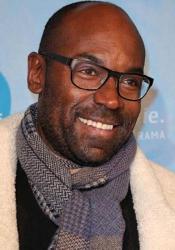
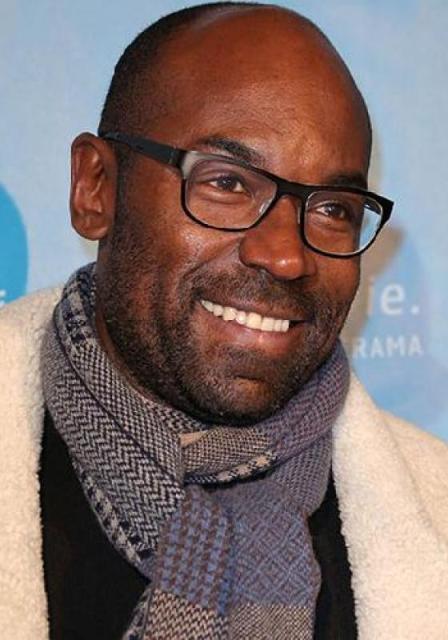
Born in Fort-de-France, Martinique, on May 6, 1964, Lucien Jean-Baptiste moved to mainland France with his family when he was three. A career that began far from a film set eventually made him a familiar face in French comedy and one of the few artists to steer a major hit from the director’s chair while also playing its lead.
Early Life and a Change of Course
Jean-Baptiste first trained in advertising and spent about a decade working in event planning. Around the age of 30, he made a decisive turn: he left that career and enrolled at the Cours Florent drama school in Paris. His path into acting was unconventional, but the years spent organizing events gave way to stage work, screen roles, and a parallel career behind the microphone.
He made his stage debut in 1997 in the play Gros René écolier de Molière. At the same time, he began working in film dubbing, becoming the French voice of actors including Will Smith, Martin Lawrence, and Don Cheadle. The voice work gave him an early foothold in the industry as he pursued roles on screen.
Early Screen Roles
Jean-Baptiste appeared in a succession of supporting parts, including Du bleu jusqu’en Amérique, Antilles-sur-Seine, Jeu de cons, and L’ex-femme de ma vie. A more prominent role came in Barthélémy Grossmann’s crime drama 13 m², where he played Farouk. These jobs established him as a versatile character actor, while he was also developing ideas of his own.
La Première Étoile: A Personal Story Becomes a Hit
In 2009, Jean-Baptiste made his feature directing debut with La Première Étoile, a family comedy in which he also starred and co-wrote the screenplay. Its story of a father trying to take his family skiing grew out of his own childhood. In an interview about the film, he recalled that his mother had taken the family from the Antilles to France and, when he was fourteen, decided they should go skiing so that her children would not feel left out. They shared equipment and made the trip work with what they had.
That memory became more than a comic premise. Jean-Baptiste has said it carried the story of a family finding its place in a world where it was not always expected. The film’s warm humor and attention to money, family, and belonging connected with a wide audience. It won both the Grand Prix and the audience award at the Alpe d’Huez International Comedy Film Festival and drew more than 1.6 million admissions in France. It also brought him a César nomination for Best First Feature.
Further Films and Recurring Themes
The success opened the way for more projects as a writer-director. He followed with 30° Couleur in 2012, a comedy about a man returning to Martinique after years in France, and DieuMerci! in 2016. With Il a déjà tes yeux, released in 2016, he turned to adoption and the expectations attached to race and family. The comedy centers on a Black couple who adopt a white baby; Jean-Baptiste played the father and directed the film.
In interviews, he has described using comedy to challenge familiar assumptions. He has spoken about being told as a child that he was different, and about wanting to explore how difference can become a basis for unequal treatment. Rather than present his characters as symbols, his films place social questions inside everyday family life, where humor and affection can complicate easy answers.
He returned to the characters of La Première Étoile in La Deuxième Étoile (2017), revisiting the family years later. He also brought the world of Il a déjà tes yeux to television in a six-part continuation that began airing in 2020. Alongside directing and writing, he has continued to act in films and television productions.
Public Image and Personal Life
Jean-Baptiste’s work is closely associated with comedy, but his films often use it to look at identity, class, race, and family. His own move from Martinique to France and his childhood ski trip informed some of his most personal storytelling, though he has not made his private life a regular subject of public coverage.
A late start in acting did not prevent him from building a wide-ranging career. From dubbing major Hollywood stars into French to creating popular films rooted in lived experience, Jean-Baptiste has moved between performance and authorship while bringing stories of Antillean and French life into mainstream comedy.