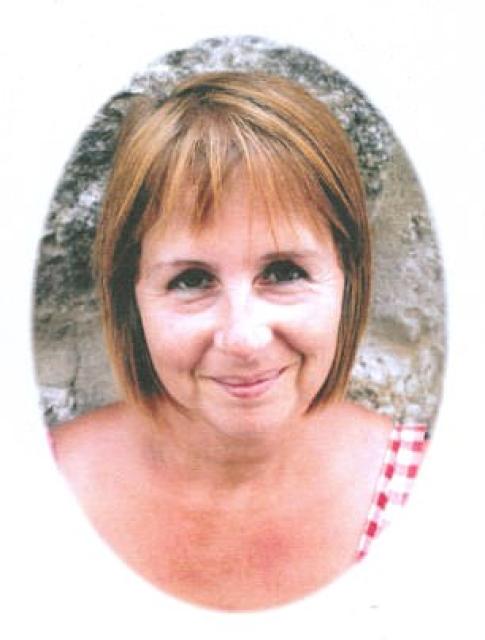
Lucinda Methuen-Campbell
 Great Britain
- Lucinda Methuen-Campbell: A Tragic Suicide
- Aftermath of the Botched Surgery
- Severe Pain and Mental Health Decline
- Suicide and Aftermath
- Controversy over Vaginal Mesh Implants
Lucinda Methuen-Campbell: A Tragic Suicide
Lucinda Methuen-Campbell, a 58-year-old British mother, took her own life in January 2018 after a botched surgical procedure that resulted in the removal of her ovaries without her consent. The surgery was performed by surgeon Anthony Dixon, who "dealt with" her ovaries because they "got in the way."
Aftermath of the Botched Surgery
The surgery left Methuen-Campbell in agony, and she gave an interview to the BBC shortly before her death, stating that Dixon had "dealt with" her ovaries because they "got in the way." She also stated that Dixon had told her that he had done her a favor, saying, "I thought, well, you're not going to need them at your age."
Severe Pain and Mental Health Decline
Methuen-Campbell suffered from chronic pain for years, but it significantly worsened after the surgery. Assistant Coroner Aled Gruffydd stated that the surgery was "an unsuccessful operation that made her condition worse, which in turn had an effect on her mental health."
Suicide and Aftermath
Methuen-Campbell left a suicide note for her son, apologizing to him. The note read, "I am so sorry Angus I love you, you are the best son in the world." Dixon was suspended by the GMC and was barred from performing certain types of bowel surgery until November 2018. The NHS and the General Medical Council launched an investigation into the case.
Controversy over Vaginal Mesh Implants
Vaginal mesh implants have recently come under scrutiny due to a growing number of women reporting adverse side effects. These implants are meant to treat pelvic organ prolapse and incontinence, but some patients have experienced severe and persistent pain, infections, and bleeding. Many have also reported that their incontinence symptoms have not been alleviated by the surgery.