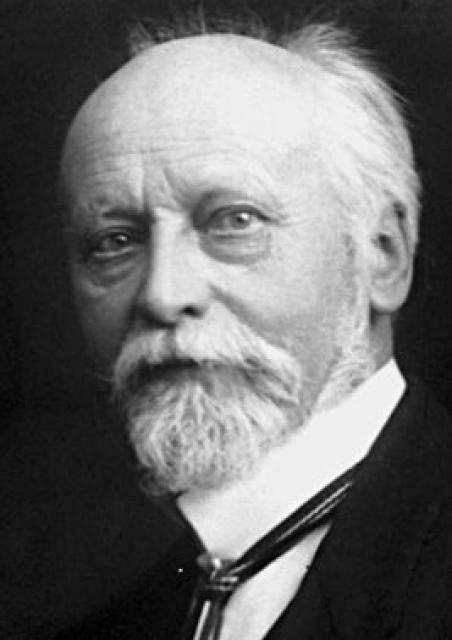
Ludwig Quidde
 Germany
- Ludwig Quidde: A Nobel Peace Laureate and Pacifist
- Education and Historical Research
- Pacifist Advocacy and Political Activism
- International Peace Leadership
- Efforts During World War I
- Post-War Peace Activism
- Nobel Peace Prize and Legacy
- Views on Security and Disarmament
- Later Life and Legacy
Ludwig Quidde: A Nobel Peace Laureate and Pacifist
Ludwig Quidde, a German pacifist and historian who received the Nobel Peace Prize in 1927, was born in Bremen, Germany, as the eldest son of a prosperous merchant. This financial security allowed him to pursue his passion for peace.
Education and Historical Research
Quidde studied medieval German history at the universities of Strasbourg and Göttingen and received his doctorate in history. He gained valuable experience as an editor for the publication of medieval imperial diet documents and later founded and edited the "Zeitschrift fur Geschichtswissenschaft" for six years. Quidde's historical work profoundly influenced his pacifist views.
Pacifist Advocacy and Political Activism
In 1891, Quidde joined the German Peace Society, inspired by historic literature and his wife, Margarethe Jacobson. He anonymously published a pamphlet in 1893 exposing militarism in Germany, followed by another in 1894 that satirized Emperor Wilhelm II, which resulted in Quidde's arrest and imprisonment for libel.
In 1894, Quidde established an anti-war group in Munich and began attending international peace conferences. He became involved in the German Progressive People's Party and suffered imprisonment for a political speech in 1896.
International Peace Leadership
Quidde became a prominent pacifist leader, joining the Council of the International Peace Bureau and presiding over the Universal Peace Congress in Glasgow in 1901. He was elected to the Munich City Council and worked towards peaceful resolutions between France and Germany.
Efforts During World War I
At the outbreak of World War I in 1914, Quidde left Germany and remained active abroad, maintaining connections with pacifists and attending anti-war conferences. He published pamphlets outlining ways to prevent future wars through international reforms.
Post-War Peace Activism
After the war, Quidde returned to Germany and re-established the peace movement. He led the German Peace Cartel and was elected to the National Assembly. While opposing the Versailles Treaty for its blame solely on Germany, he supported the League of Nations.
Nobel Peace Prize and Legacy
Quidde was awarded the Nobel Peace Prize in 1927 with Ferdinand Buisson for promoting peace between France and Germany. The Norwegian Nobel Committee recognized their efforts in fostering public opinion for peace in their respective countries.
Views on Security and Disarmament
Quidde believed that disarmament alone was insufficient to ensure peace, stressing the importance of addressing underlying causes of war. He advocated for international law and the settlement of conflicts through international courts.
Later Life and Legacy
Following the rise of Adolf Hitler to power in 1933, Quidde once again left Germany and settled in Geneva, where he continued his involvement in international pacifist activities until his death in 1941. Ludwig Quidde's legacy as a pacifist and Nobel Peace Laureate serves as a reminder of the importance of promoting peace and understanding through education and international cooperation.





