Macrinus
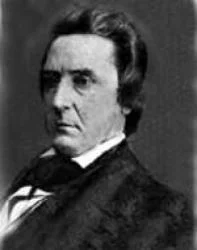
Macrinus rose from the imperial bureaucracy to become Rome’s ruler during one of the Severan dynasty’s most turbulent moments. A former prefect of the Praetorian Guard, he was proclaimed emperor after Caracalla’s assassination in 217. He made peace with Rome’s Parthian enemy and tried to restore the state’s finances, but those choices alienated the army. Within little more than a year, a rival claimant had defeated him and his brief reign ended in flight and execution.
Origins and Rise to Power
Marcus Opellius Macrinus was born around 164 or 165 in Mauretania, in North Africa. The surviving accounts provide little reliable detail about his family or private life. He belonged to the equestrian order, a social class below the senatorial elite, and advanced through administrative service under the Severan emperors. His career culminated in appointment as praetorian prefect, one of the most powerful posts in the Roman government and the commander of the emperor’s guard.
Macrinus accompanied Caracalla during the emperor’s campaign in the eastern provinces. In April 217, Caracalla was killed near Carrhae while traveling to a sanctuary. Ancient narratives link Macrinus to the plot, but their accounts were written in political contexts hostile to him, and the precise extent of his involvement remains uncertain. The soldiers in the region proclaimed Macrinus emperor within days, and the Senate eventually recognized him.
Emperor in the East
Macrinus never made it to Rome during his reign. He governed from the eastern provinces, first confronting the war Caracalla had left behind with the Parthian Empire. Roman forces suffered a serious setback near Nisibis, and Macrinus negotiated peace with King Artabanus IV. The settlement ended the immediate conflict but required concessions and payments that critics could portray as humiliating.
At home, Macrinus tried to contain military expenses. He maintained the higher pay already promised to soldiers in service but set lower terms for new recruits, and he sought to rein in some of Caracalla’s spending. These measures made financial sense to the government, yet they weakened the loyalty of troops who expected rewards and privileges. He also elevated his young son Diadumenian to Caesar, then co-emperor, signaling an attempt to found a new dynasty.
Revolt and Fall
Macrinus faced an especially dangerous rival in the family of Septimius Severus. Julia Maesa, Caracalla’s aunt, promoted her teenage grandson Elagabalus among the Syrian legions, presenting him as a blood heir of Caracalla. In 218 troops at Emesa declared for the youth. Macrinus initially underestimated the rebellion and remained in the region rather than eliminating it immediately.
The armies met near Antioch in June 218. Macrinus’s troops were defeated, and many deserted to the opposing side. He fled in disguise, hoping to reach the western provinces, but was captured in Bithynia and killed. Diadumenian, sent toward Parthian territory for safety, was also intercepted and executed. The Severan dynasty returned to power under Elagabalus.
Legacy
Macrinus was the first Roman emperor to rise from the equestrian rather than senatorial order, a striking sign that military and administrative careers could open the highest office. His government’s short life makes it difficult to judge what he might have achieved under calmer conditions. He inherited an expensive war and a resentful army, then tried to balance peace and economy against the soldiers’ expectations. The records of his reign, shaped largely by writers who favored his successor’s family, leave a portrait of a capable official whose authority collapsed before he could establish himself.