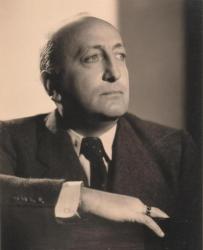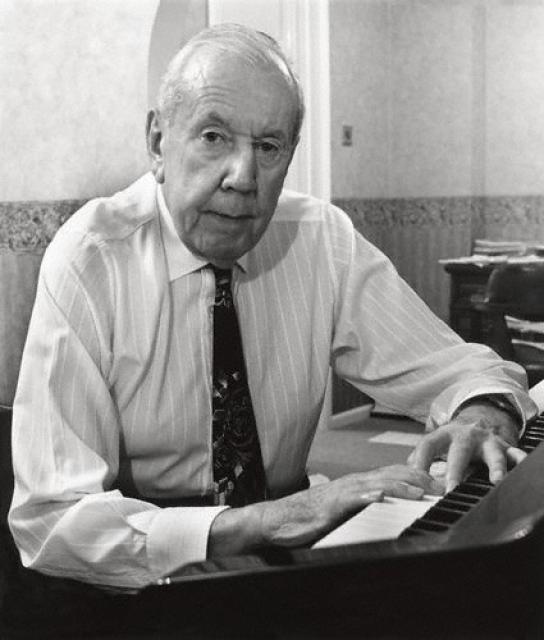
Malcolm Henry Arnold
 Great Britain
- Biography of Malcolm Henry Arnold
- Early Life and Musical Education
- Career as a Composer
- Musical Style and Legacy
Biography of Malcolm Henry Arnold
Malcolm Henry Arnold was a British composer, trumpeter, and conductor. He is considered one of the greatest British composers of the 20th century, alongside Benjamin Britten and Ralph Vaughan Williams.

Early Life and Musical Education
Arnold developed an interest in jazz at a young age and began learning to play the trumpet when he was twelve years old. At the age of sixteen, he enrolled in the Royal College of Music, where he studied trumpet under Ernest Hall and composition under Gordon Jacob.

While still a student, Arnold started playing the trumpet in the London Philharmonic Orchestra from 1941 to 1942. In 1944, he was called to serve in the army and was demobilized a year later after intentionally shooting himself in the leg. After a season of working with the BBC Symphony Orchestra, he became a soloist with the London Philharmonic once again.
Career as a Composer
From 1948 onwards, Arnold focused primarily on his career as a composer. He actively composed both concert works and music for films, winning an Oscar in 1957 for his score for the film "The Bridge on the River Kwai."
In the late 1970s and early 1980s, Arnold experienced a severe emotional crisis, suffering from depression and alcoholism. He spent several years in a psychiatric hospital. Overcoming his illness, Arnold concluded his composing career in the early 1990s.
Musical Style and Legacy
Arnold, Britten, and Vaughan Williams are considered some of the greatest British composers of the 20th century. His compositions, filled with liveliness and humor, were written in a traditional style without incorporating the latest trends in European music. This contributed to their popularity in Britain and beyond.
Arnold's legacy includes more than 140 compositions in various genres, with particular emphasis on his nine symphonies (1949-1986). He also wrote concertos for various instruments, dedicating them to renowned musicians such as Julian Bream (guitar), Julian Lloyd Webber (cello), and Benny Goodman (clarinet). His orchestral suites based on British folk dance themes and arrangements of his own orchestral works for wind orchestra, as well as his chamber compositions, are widely acclaimed.
In 1969-1971, Arnold collaborated on several projects with the rock group Deep Purple and their keyboardist, Jon Lord, including the famous "Concerto for Group and Orchestra" (1969).