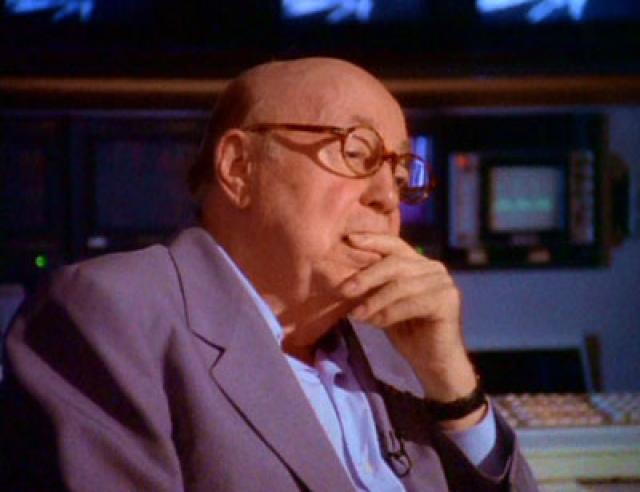
Marcel Carne
 France
Biography of Marcel Carné
Marcel Carné, a French film director, was born on August 18, 1906, in Paris, France. At the age of 25, he directed his first documentary short film, "Nogent, Eldorado du dimanche" in 1929. Prior to that, he had worked as an assistant to directors such as Jacques Feyder and René Clair, assisting them in several films, including the comedy "La kermesse héroïque" in 1935.

Carné began his career as a film critic and became the editor of the weekly publication "Hebdo-Films." Between 1929 and 1933, he worked for the magazine "Cinémonde." During this time, he also worked as an assistant cameraman in silent films, collaborating with director Jacques Feyder on "Les nouveaux messieurs."
Invited by Alexander Korda, Carné accepted a job in England, where Korda was producing the thriller "Knight Without Armor." However, Carné decided to work on his own project as a director and directed the film "Jenny" in 1936. This film marked the beginning of a successful collaboration with surrealist poet and screenwriter Jacques Prévert. Together, they worked for more than 10 years and created their most memorable films. Their creative partnership gave rise to the movement known as "poetic realism," which had a significant impact on the French film industry of the time.
During the German occupation of France in World War II, Carné worked in Vichy, where he undermined the authorities' attempts to control art. His team included several Jews, including Joseph Kosma and production designer Alexandre Trauner. Despite the difficult conditions, Carné directed the melodrama "Les Enfants du paradis" in 1945, which was released after the liberation of France and became one of the most highly acclaimed films by the French director. In the late 1990s, "Les Enfants du paradis" was named the "Best French film of the century" in a survey of 600 French critics and professionals.
Inspired by the success of "Les Enfants du paradis," Prévert and Carné collaborated on the most expensive film in the history of French cinema, the fantasy film "Les portes de la nuit" in 1946. However, the new work was harshly criticized by film critics and failed at the box office, leading to the dissolution of the creative partnership between Jacques and Marcel.
In the 1950s, Carné faced challenging times. The influential French film magazine "Cahiers du Cinema," which gave rise to the "New Wave" in the film market, rejected Carné's works and believed that his past achievements were solely due to Prévert. The general audience sought laughter and romanticism, while Carné's films were imbued with harsh realism. The demand for his works dwindled. Although his post-war drama "Les Tricheurs" in 1958 received a modest response from audiences, many of his other films faced ruthless criticism from the press and the film industry. The overt theatricality in Carné's films clashed with the ethics and aesthetics of the "New Wave," and his adherence to the script stifled the prospects of the art of cinema.
In 1958, Carné served as the head of the jury at the 6th Berlin International Film Festival. He directed his last film, the documentary project "La bible," in 1977 and received the Imperial Prize in 1989. Some sources suggest that Carné himself was gay and had a relationship with Roland Lesaffre, who appeared in many of his films. Marcel Carné passed away on October 31, 1996, in Clamart, Hauts-de-Seine, and was buried at the Cimetière Saint-Vincent in Montmartre.