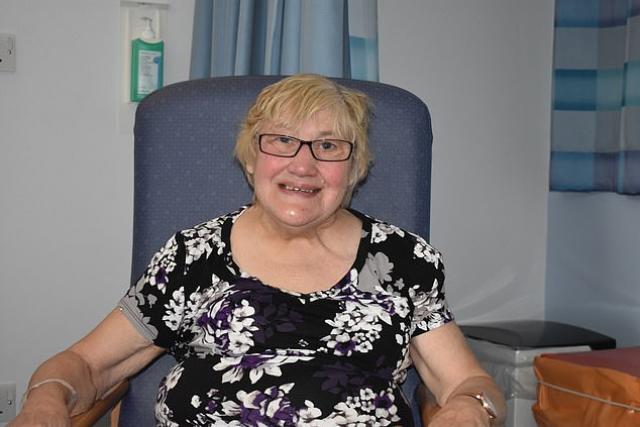
Margaret McDermott
 Great Britain
- Biography
- The Implantable Device
- Heart Failure and Its Impact
- The Role of the Microcomputer
- Improved Patient Outcomes
- Future Implications
Margaret McDermott: The World's First Heart Patient with a Microcomputer
Biography
Early Life and DiagnosisMargaret McDermott, a 75-year-old British grandmother, has made history as the world's first patient to receive a revolutionary device that monitors her heart's every beat. Following a heart failure diagnosis, she volunteered for a clinical trial aimed at improving care for patients with this debilitating condition.
The Implantable Device
In July, McDermott underwent surgery to implant the V-LAP (Vectorious LAP) device in her left atrium. This wireless monitor detects any abnormalities in her heart's function and sends real-time alerts to her healthcare team.
Heart Failure and Its Impact
Heart failure occurs when the heart muscle weakens, preventing blood from pumping effectively throughout the body. Patients experience shortness of breath, swelling in the legs, and fatigue. Without timely intervention, heart failure can be fatal.
The Role of the Microcomputer
The V-LAP monitor empowers clinicians to monitor patients remotely, enabling early detection and treatment of potential complications. In the past, patients had to rely on hospital visits for regular heart checks, which can be inconvenient and time-consuming.
Improved Patient Outcomes
McDermott's experience with the device has been nothing short of transformative. "Now I wake up every day without feeling breathless," she said. "Before, I was struggling to breathe and dependent on inhalers."
Future Implications
Experts believe that this microcomputer technology has the potential to revolutionize heart failure care. By providing continuous monitoring and early detection, it could significantly reduce hospitalizations and improve patient outcomes.


