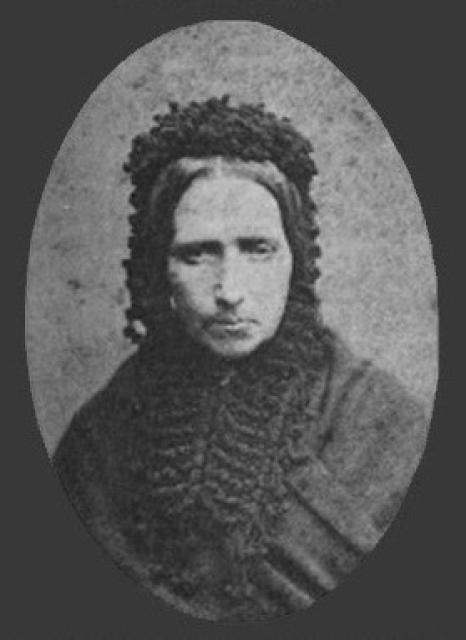
Maria Catherina Swanenburg
 Netherlands
Biography of Maria Catherina Swanenburg
Maria Catherina Swanenburg, also known as "Goeie Mie" or "Good Mie" in Dutch, was a Dutch serial killer who gained notoriety for her acts of poisoning. Born on September 9, 1839, in Leiden, South Holland, Maria was the daughter of Clemens Swanenburg and Johanna Dingjan.
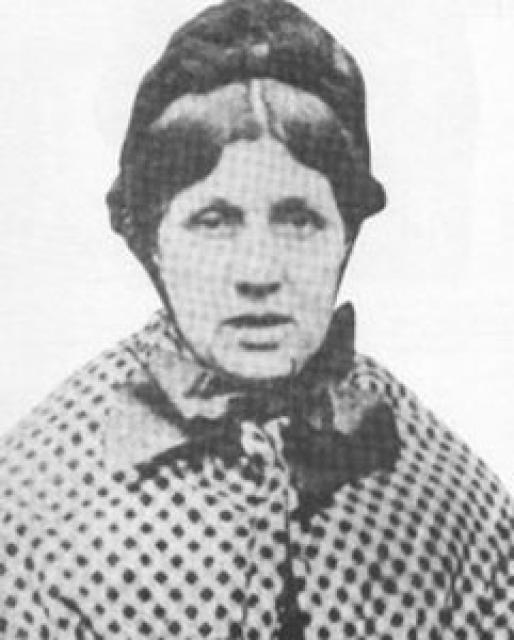
After the deaths of her first two daughters at a young age, Maria married Johannes van der Linden on May 13, 1868. They had five sons and two daughters together before their marriage ended on January 29, 1886.
Maria gained a reputation as a caring individual who looked after children and sick people in the impoverished neighborhood of Leiden where she lived. However, between 1880 and 1883, she poisoned 27 people with cyanide, and attempted to kill at least 50 others using the same method. The investigation later revealed a total of 90 tragic cases resulting in death. An additional 45 victims survived but suffered chronic health issues from the poison.
Motivated by financial gain, Maria would often take out insurance policies on her friends or relatives or become their sole heir. Her first victim was her own mother, whom she killed in 1880, followed by her father. Maria was caught in December 1883 while attempting to poison the Groothuizen family. It is possible that she had been using cyanide since 1879.
The trial against Maria began on April 23, 1885. The Leiden police conducted an extensive investigation involving dozens of neighbors, family members, and witnesses, including potential suppliers of the poison. The bodies of three victims were examined by Professor-anatomist T. Zaaijer and Dr. P. de Koning, confirming that they were poisoned with cyanide.
There was also suspicion that Swanenburg was responsible for the deaths of 13 exhumed bodies, all of which showed signs of cyanide poisoning. Two medical experts evaluated her mental capabilities and concluded that although she displayed a high degree of callousness, she was fully aware of her actions. However, her defense attorney, C.A. Vaillant, questioned their conclusion, suggesting that Maria had a psychological anomaly or was a "nature's mistake."
The attention given to the psychological and psychiatric aspects of Maria's case during her imprisonment sparked additional interest from society. She was found guilty and sentenced to spend the rest of her life in a correctional facility. The Supreme Court rejected her appeal on June 29, 1885.
Maria Swanenburg passed away on April 11, 1915, in Gorinchem. Her case garnered significant attention not only in her homeland but also internationally, remaining one of the most infamous in criminal history.


