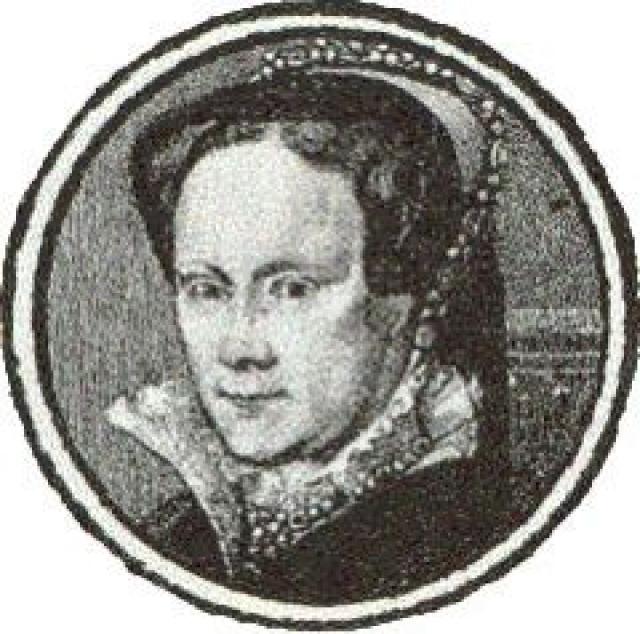
Maria I Tudor Bloody
 Great Britain
- Mary I Tudor: Biography of a Controversial Queen
- Early Life and Troubled Childhood
- Rise to the Throne and Marriage
- Reign and Controversial Policies
Mary I Tudor: Biography of a Controversial Queen
Mary I Tudor, also known as Bloody Mary, was an English queen from 1553 to 1558. She restored Catholicism in England and ruthlessly persecuted supporters of the Reformation, earning her infamous nickname. Despite her tumultuous reign, Mary's life was filled with hardships from birth to death, although her early years did not foreshadow such a fate.
Early Life and Troubled Childhood
Mary was born in 1516 as the daughter of Henry VIII Tudor and Catherine of Aragon. As a child, she displayed seriousness, composure, and musical talent, excelling in playing the harpsichord. However, her relationship with her father deteriorated following his marriage to Anne Boleyn. Mary was removed from the royal court, separated from her mother, and pressured to renounce her Catholic faith. Despite her young age, Mary steadfastly refused to do so.
As a result, Mary endured numerous humiliations, including the dissolution of her entourage and being reduced to serving Princess Elizabeth, Anne Boleyn's daughter. Her stepmother, Anne, treated her harshly, and Mary lived in constant fear for her life. Although her condition worsened, she was forbidden from seeing her mother. Only after Anne's execution did Mary experience some relief, especially when she reluctantly recognized her father as the "Supreme Head of the Church of England." Her entourage was restored, and she regained access to the royal court.
Rise to the Throne and Marriage
Persecution against Mary resumed when her younger brother, Edward VI, ascended to the throne. Edward fiercely adhered to Protestantism, causing Mary to consider fleeing England, especially when she faced obstacles in attending Mass. Eventually, Edward deposed Mary and bequeathed the English crown to Jane Grey, a Protestant. Mary, however, refused to accept this arrangement.
Upon learning of her brother's death, Mary swiftly moved to London. The army and navy sided with her, and the Privy Council declared her the queen. Nine days after her ascension, Lady Jane Grey was dethroned and later executed. However, in order to secure the throne for her own descendants and prevent the Protestant Elizabeth from inheriting it, Mary had to marry. In July 1554, she married Philip, the heir to the Spanish throne, despite knowing that he was deeply unpopular among the English. Mary, 38 years old and considered unattractive, truly loved her husband and missed him dearly during his infrequent visits to England. She would write him long letters, often staying up late into the night.
Reign and Controversial Policies
Mary's reign was marked by her determination to restore Catholicism in England. Although she personally did not relish tormenting and persecuting those who disagreed with her religious beliefs, she employed lawyers and theologians to carry out her agenda. Harsh statutes were enacted against heretics, following the precedents set by Richard II, Henry IV, and Henry V. From February 1555, hundreds of "heretics" were burned at the stake throughout England. Even those who recanted their beliefs before the pyre were not spared. These atrocities earned Mary the epithet "Bloody."
Mary's desire to have a Catholic heir intensified her reign's contentiousness. Despite her hopes, she was unable to conceive a child. A tumor was initially mistaken for a pregnancy, and her health deteriorated rapidly. Mary died from a respiratory illness at a relatively young age, her dreams of motherhood unrealized.
In conclusion, Mary I Tudor's reign was marred by religious persecution and her failed attempts to restore Catholicism in England. Despite her personal struggles and hardships, her actions as queen have left a controversial and divisive legacy in history.


