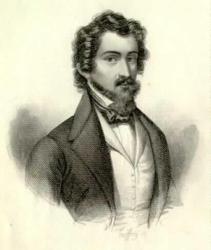
Maria Vega
- Maria Vega: A Poetic Enigma
- Emigration and Literary Career
- Published Works
- The Beloved Anthem
- Legacy and Rediscovery
Maria Vega: A Poetic Enigma
Early Life and EducationMaria Vega was born into an aristocratic family in St. Petersburg, Russia. Her godmother was renowned actress Maria Savina. She graduated from the prestigious Pavlovsk Women's Institute, receiving an education that shaped her literary interests.
Emigration and Literary Career
After the Russian Revolution, Vega fled her homeland and settled in Paris in the early 1920s. She became an active participant in the Russian émigré literary community, contributing poetry and translations to various publications. Vega's translations of Rainer Maria Rilke were highly acclaimed for their artistry, though they might be more accurately described as poetic interpretations rather than direct translations.
Published Works
Vega's poetry was published in three collections: "PoLyn" (1933), "Major in Minor" (1938), and "Lilith" (1955). These works showcased her distinctive style, which blended nostalgia, melancholy, and a touch of the macabre.
The Beloved Anthem
Despite her literary accomplishments, Vega's most enduring legacy lies in her poem "Institutka." Set to music by an unknown émigré composer, it became a popular song that resonated with Russians both at home and abroad. The hauntingly beautiful lyrics, describing an aristocratic girl's fall from grace, have captivated generations.
Legacy and Rediscovery
Maria Vega's life and work have remained largely obscure in recent years. However, the enduring popularity of "Institutka" has kept her name alive. Scholar and author Maksim Kravchinsky's discovery of contemporary accounts has shed light on her prolific literary output, helping to reclaim her place in the pantheon of Russian poets.