Marian Ionescu
 Great Britain
- Biography of Marian Ionescu
- Early Life and Education
- Medical Career and Experiences in the United States
- Challenges and Escape to Paris
- Move to England and Contributions to Cardiothoracic Surgery
- Innovative Contributions and Challenges
Biography of Marian Ionescu
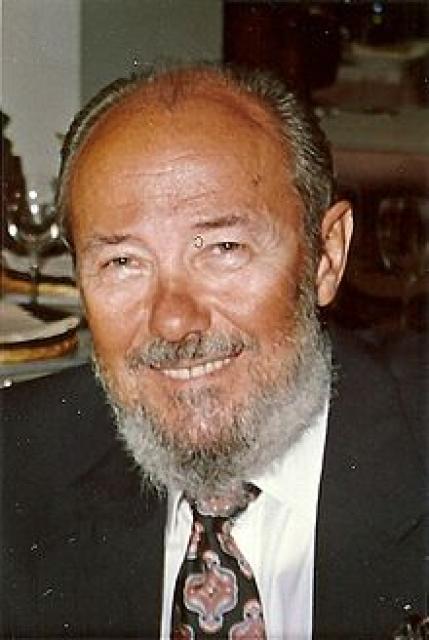
Marian Ionescu, a British cardiothoracic surgeon originally from Romania, was driven by scientific curiosity and a persistent desire to make progress through innovation, discovery, and invention that could benefit society.
Early Life and Education
Marian Ionescu was born on August 21, 1929, in the shadow of the Carpathian Mountains in the small town of Targoviste, Romania. It was there that he discovered the beauty of literature, the wonders of science, and the mystical secrets of the majestic mountains. He enrolled in the medical faculty of the University of Bucharest and graduated in 1954. He married his colleague Cristina, who excelled in cardiology, and she played a crucial role in supporting him throughout his life and in his later discoveries and inventions.
Medical Career and Experiences in the United States
After serving as a general practitioner in rural areas, Ionescu earned a scholarship from the World Health Organization to study cardiac surgery in the United States. From 1958 to 1959, he worked at the Mayo Clinic and the Cleveland Clinic, where he gained unique experience in the laboratory for creating artificial organs. This experience convinced him that the U.S. was the "source of true knowledge." He further expanded his expertise at the Texas Heart Institute under the guidance of cardiothoracic surgeon Denton A. Cooley.
Upon returning to Romania in 1960, Ionescu was appointed as a consultant in cardiovascular surgery in Bucharest. A year later, he began leading a laboratory dedicated to the creation of artificial organs. In 1962, he performed the first open-heart surgeries using artificial circulation.
Challenges and Escape to Paris
During the period of 1961-1965, Ionescu gradually realized that he faced serious limitations due to the inability to import surgical materials and the oppressive communist political situation in Romania. In the summer of 1965, he embarked on an adventure by illegally crossing the borders of Yugoslavia and Italy in a small Fiat 600, carrying two suitcases, books, and gasoline cans. He arrived in Paris, where he was welcomed by loyal and wealthy friends. Ionescu secured a position as a cardiothoracic surgeon at St. Joseph's Hospital in Paris, where he worked mostly at night and on weekends. His wife found employment at another hospital.
Move to England and Contributions to Cardiothoracic Surgery
Approximately a year later, surgeon G.H. Wooler from Leeds offered Ionescu the opportunity to move to England, where he could develop his numerous original ideas in a more favorable environment. This change not only improved Ionescu's life but also advanced the field of cardiothoracic surgery as a whole.
Ionescu spent a quarter of a century in Leeds. In 1968, he became a licentiate of the Pharmaceutical Society in Dublin. In 1974, following the passing of Wooler, Ionescu became the head of the cardiothoracic surgery department in Leeds, which became one of the most productive centers in the United Kingdom. Surgeons from all over the world flocked to the department for further training and scientific enlightenment. Ionescu made significant contributions to cardiovascular research, and his extensive knowledge of literature and philosophy, combined with his opinions, sparked healthy debates. He became a respected and central figure in international circles of cardiothoracic surgeons. Although he retired from active surgical work in 1987, Ionescu maintained his lifelong passion for mountain climbing despite some health issues.
Innovative Contributions and Challenges
In his constant pursuit of the "Holy Grail," Ionescu experimented with valves made from bovine pericardium. In 1971, he performed the first implantation of this original device, yielding promising results. Production of the Ionescu-Shiley xenograft from pericardium started in California in 1976. Some valves functioned reliably for up to 26 years, but most required replacement within 6 to 14 years after implantation due to dysfunction. Production of the Ionescu bioprosthetic valve was discontinued due to increasing dysfunction after 6 years of function in the patient's body. Ionescu was the first surgeon to successfully repair a heart with a single ventricle, utilizing various techniques to combat this rare anomaly.
"Sometimes I feel like shouting, 'What the hell! Let's try again, let's figure this out, let's go to the other side of the moon,'" Ionescu once said, reflecting his relentless pursuit of groundbreaking discoveries and improvements in the field of cardiothoracic surgery.