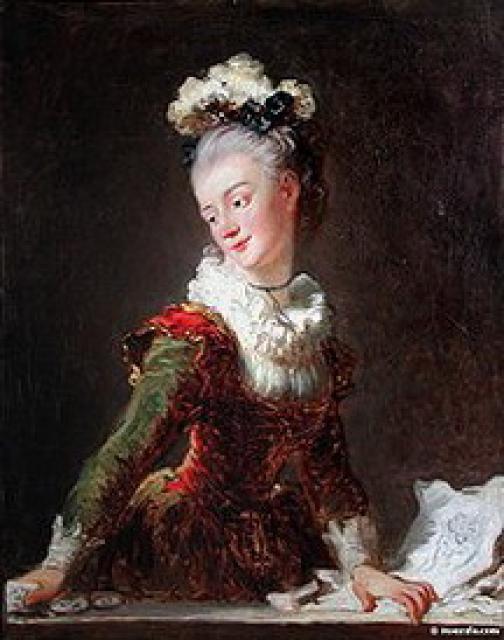
Marie-Madeleine Guimard
 France
- Early Life and Career
- Success on the Paris Stage
- Collaboration with Noverre
- Patronage and Controversy
- Relationships and Legacy
Early Life and Career
Marie-Madeleine Guimard was a French ballerina who lived during the 18th century. Her career began in 1758 when she joined the corps de ballet of the Comédie-Française at the young age of fifteen. Three years later, she moved to the prestigious Académie Royale de Musique, where she quickly rose to prominence.
Success on the Paris Stage
Despite not conforming to the typical physical standards of ballerinas at the time, Guimard's grace, authenticity, and artistry set her apart. She became a celebrated star of the stage, performing leading roles in operas such as "Les Fêtes d'Hébé," "Castor et Pollux," and "Galathée et son amant."
Collaboration with Noverre
Guimard was an early collaborator of Jean-Georges Noverre, the visionary ballet reformer. She danced in his groundbreaking production of "Jason et Médée" in Stuttgart in 1763. The following year, she reprised the role in Noverre's production in Paris, which was set to music by La Borde.
Patronage and Controversy
Guimard enjoyed the patronage of wealthy and influential figures, including the Duc de Soubise. This attracted both admiration and criticism, as she was rumored to be a courtesan. However, the public's fascination with her stagecraft overshadowed any personal controversies.
Relationships and Legacy
Guimard fostered close relationships with many artists, including the renowned painter Fragonard, who created several portraits of her. In 1789, she married the French ballet master Jean-Étienne Despréaux. Guimard's legacy was immortalized in the 1930 opera "Madeleine Guimard" by the Austrian composer Karl Prohaska.


