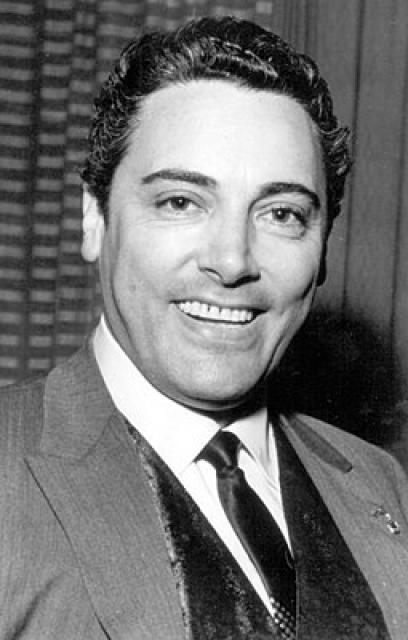
Mario Del Monaco
 Italy
ItalyMario Del Monaco Biography
Mario Del Monaco was an Italian singer (dramatic tenor) and one of the greatest masters of bel canto in the mid-20th century. He utilized the method of lowering the larynx in his singing, which he learned from his teachers L. Melai-Palazzini and A. Melocchi, allowing him to produce a sound of immense power and steel-like brilliance. Del Monaco's voice was perfectly suited for heroic-dramatic roles in the late operas of Verdi and the verismo repertoire. His voice was unique in its richness of tone and energy, making him a perfect fit for the theater, although his recordings were not as impressive. Del Monaco is rightly considered the last tenor di forza, whose voice brought glory to bel canto in the past century and stands alongside the greatest masters of the 19th century.
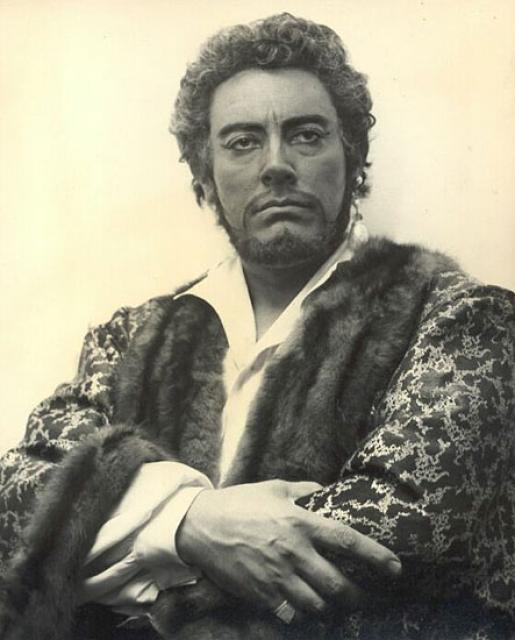
Early Life and Career
Mario Del Monaco was born in 1915 in Florence, Italy. He studied under the guidance of L. Melai-Palazzini and A. Melocchi. Del Monaco made his debut in 1939 in the role of Turridu in Mascagni's "Cavalleria Rusticana" in Pesaro, according to some sources. Other sources suggest that his debut was in 1940 in the same role at the Teatro Comunale in Cali or even in 1941 as Pinkerton in Puccini's "Madama Butterfly" in Milan. In 1943, he performed at La Scala in Milan, portraying the role of Rodolfo in Puccini's "La Bohème". From 1946 onwards, he sang at Covent Garden in London, and from 1957 to 1959, he performed at the Metropolitan Opera in New York, taking on roles such as des Grieux in Puccini's "Manon Lescaut", Cavaradossi in Puccini's "Tosca", and Don José in Bizet's "Carmen".
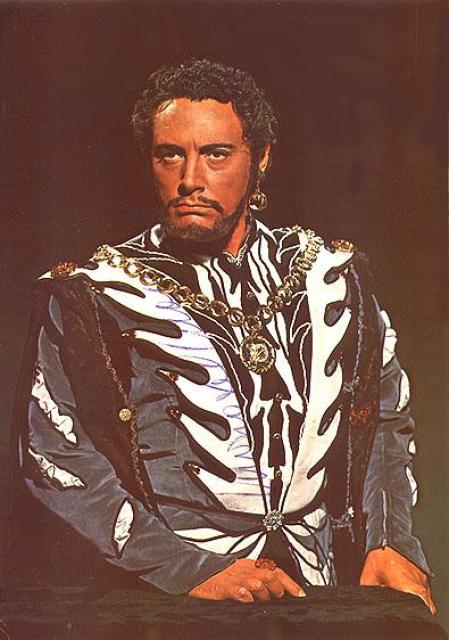
In 1959, Del Monaco toured the Soviet Union, where he triumphantly performed the roles of Canio in Leoncavallo's "Pagliacci" and Don José in Bizet's "Carmen". He also played the role of Siegmund in Wagner's "Die Walküre" in Stuttgart in 1966. In 1974, he portrayed Luigi in Puccini's "Il Tabarro" in Torre del Lago as part of a commemorative performance for the 50th anniversary of the composer's death. He also performed in several productions of "Pagliacci" in Vienna. In 1975, after giving 11 performances in 20 days at the San Carlo Theatre in Naples and the Massimo Theatre in Palermo, Del Monaco concluded his illustrious career that spanned over 30 years. He passed away shortly after a car accident in 1982.
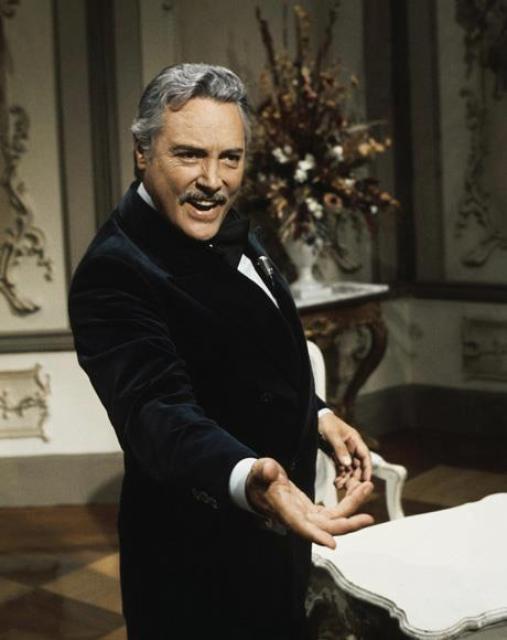
Legacy
Mario Del Monaco is regarded as one of the greatest and most remarkable singers of the 20th century. His powerful and dynamic voice, combined with his exceptional acting skills, left an indelible mark on the world of opera. Del Monaco's repertoire consisted mainly of dramatic roles, where he excelled in expressing the emotional depth of his characters. His interpretations of roles such as Otello, Canio, and Don José are considered some of the finest in the history of opera. Del Monaco's career was characterized by his dedication to the art form and his ability to captivate audiences with his intense performances.
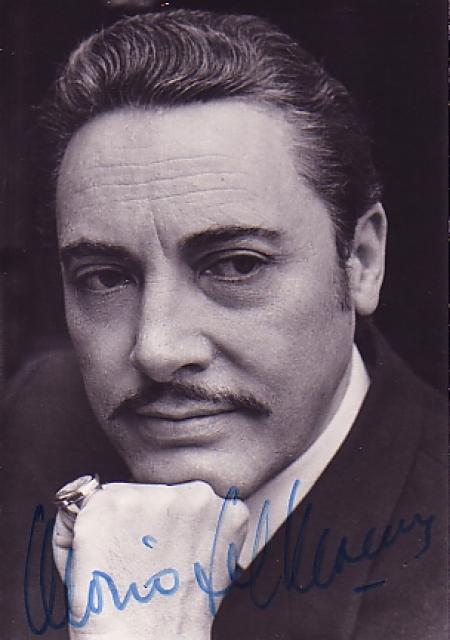
Del Monaco made significant contributions to Soviet opera. His enthusiastic praise for the Russian theater, particularly his recognition of the exceptional talent of Pavel Lisitsian and the remarkable acting skills of Irina Arkhipova, led to Arkhipova's invitation to perform in Naples and her subsequent debut at La Scala in 1961. Many young singers, including Vladimir Atlantov, Muslim Magomaev, Anatoli Solovyanenko, Tamara Milashkina, Maria Bielshu, and Tamara Sinyavskaya, benefited from Del Monaco's teaching and went on to become outstanding representatives of the bel canto tradition.
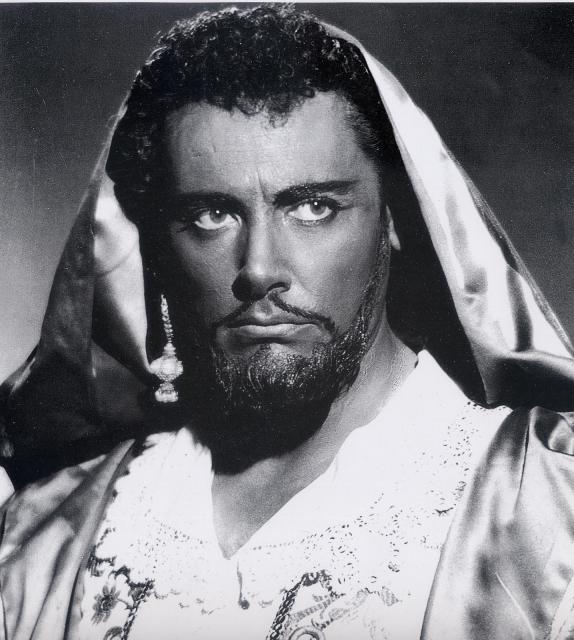
Del Monaco's career came to a close in 1975, possibly due to the strain on his voice and the repetitive nature of his repertoire. However, his impact on the world of opera was already firmly established. He was widely recognized as one of the greatest dramatic tenors of his time, with accolades such as being named the "best dramatic tenor alive" during his performances in Mexico and being hailed as the greatest tenor in the world by Budapest. Del Monaco performed in major opera houses around the world, from Teatro Colon in Buenos Aires to the Tokyo Opera.

Throughout his career, Del Monaco recorded extensively, with many of his studio recordings released by Decca. Some notable recordings include his portrayal of Loris in Giordano's "Fedora" (1969), Hagenbach in Catalani's "La Wally" (1969), Alvaro in Verdi's "La Forza del Destino" (1955), Canio in Leoncavallo's "Pagliacci" (1959), and Otello (1954). Live recordings of his performances, including a broadcast of "Pagliacci" from the Bolshoi Theatre, are also available.
Mario Del Monaco's extraordinary talent and contribution to the world of opera will forever be remembered and celebrated. His powerful voice, combined with his passionate acting, left an indelible mark on audiences and solidified his place among the greatest tenors in history.


