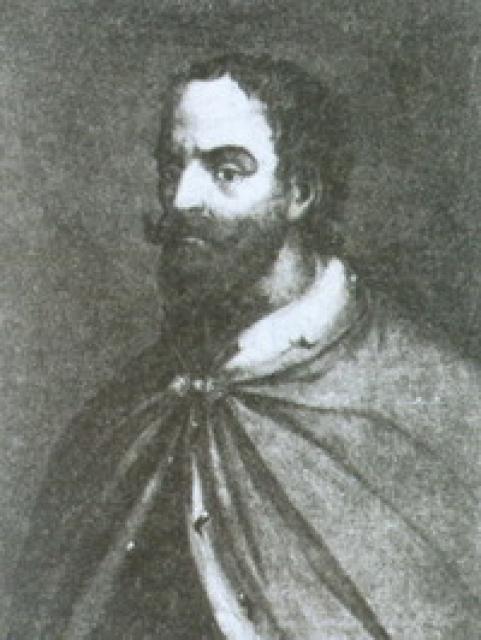
Marko Zhmaylo-Kulchytsky
- Early Life and Rise to Prominence
- The Zmaylo Rebellion (1625)
- Polish Suppression and Zmaylo's Dismissal
- Legacy and Historical Significance
Early Life and Rise to Prominence
Markov Zmaylo was a Cossack Hetman and leader of a rebellion against Polish rule in 1625. He was born in the Ukrainian village of Kulchytsi near Sambir, but his exact birthdate is unknown.
The Zmaylo Rebellion (1625)
In 1625, Zmaylo emerged as the leader of a Cossack uprising against Polish authorities. Polish policies had oppressed Orthodox Ruthenians and Lithuanians in Ukraine, infringing on their religious rights and social status. Zmaylo and his followers demanded recognition of their Orthodox clergy, the return of confiscated church property, and an end to Polish jurisdiction over Cossacks.
When the Polish parliament (Sejm) ignored their grievances, Zmaylo led a force of Cossacks into Kyiv, killing the pro-Catholic mayor and plundering a Catholic monastery. They also sent an embassy to Tsar Michael I of Muscovy, requesting Russian protection.
Polish Suppression and Zmaylo's Dismissal
King Sigismund III of Poland responded by sending an army under Grand Hetman Stanisław Koniecpolski to quell the rebellion. Zmaylo's forces confronted the Polish army in several battles, but were ultimately defeated. Koniecpolski also exploited internal divisions within the Cossack ranks, inciting some Cossacks to turn against Zmaylo.
As a result, Zmaylo was removed from office and replaced by the pro-Polish Colonel Mykhailo Doroshenko. Zmaylo's downfall reflected Poland's desire to exert tighter control over the Cossacks and weaken their independent status.
Legacy and Historical Significance
Markov Zmaylo's rebellion highlighted the ongoing tension between Poland and its Cossack subjects. The uprising demonstrated the strength of Cossack resistance to Polish authority and their willingness to seek support from Russia. Zmaylo's legacy as a symbol of Cossack autonomy continued to inspire future Cossack leaders in their struggles against foreign domination.