Maurice Nedoncelle
 France
- Maurice Ndoncelle: French Historian and Philosopher
- Academic Career
- Philosophical and Theological Synthesis
- Personhood and Interdependence
- Ontology and Ethics
- The Problem of Evil
- Redemption and Love
- Later Works
Maurice Ndoncelle: French Historian and Philosopher
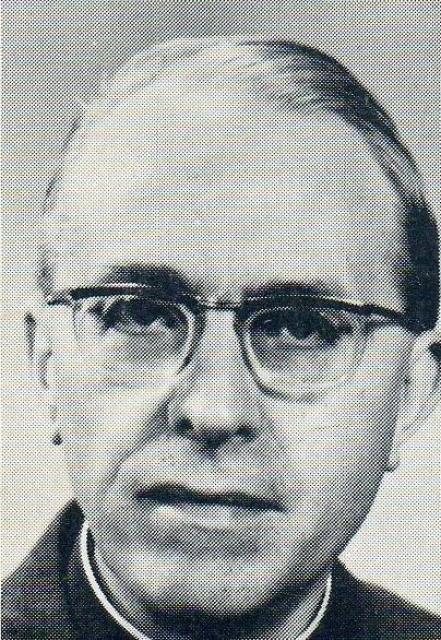
Early Life and EducationMaurice Ndoncelle was born in Roubaix, France, on October 30, 1905. He pursued studies in philosophy and theology in Paris, attending the St. Sulpice Seminary and the Sorbonne. In 1930, he was ordained as a priest and later taught at the Albert de Mun Institute in Nogent-sur-Marne.
Academic Career
In 1942, Ndoncelle earned a doctorate in literature for his dissertation, "The Reciprocity of Consciousnesses: Essays on the Nature of the Person." He became a professor of philosophy and theology at Catholic institutes in Lille and Paris in 1943. In 1946, he received a doctorate in theology.
From 1945 to 1976, Ndoncelle held the position of professor of fundamental theology at the University of Strasbourg. He served as dean of the theological faculty from 1956 to 1967.
Philosophical and Theological Synthesis
Ndoncelle advocated for a dialogue between philosophy and theology. In his philosophical-theological synthesis, he drew upon diverse fields such as psychoanalysis, anthropology, philosophy of language, history of philosophy, and phenomenology.
Personhood and Interdependence
Ndoncelle's doctoral dissertation emphasized that personhood exists in neither isolation nor in a crowd, but rather in the "I-Thou" dyad, where interpersonal communication unfolds. Personhood is never complete but is perpetually in a state of becoming, created through communication with others.
Ontology and Ethics
According to Ndoncelle, ontology, expressed through the intersubjectivity of persons, forms the foundation of ethics. The unity of consciousnesses and spirits - the connection between "Thou" and "I" - finds its ground and confirmation in God, whom he conceived as an absolute creative personhood, the ultimate Thou, and absolute being.
The Problem of Evil
Ndoncelle devoted significant attention to the problem of evil. He believed that evil, particularly in its most extreme forms, is not rooted in nature but in the spirit. While it is a real force, evil is not inevitable and can be overcome.
Redemption and Love
Ndoncelle proposed that the solution to the problem of evil lies in time's connection to eternity. Through repentance, individuals can transcend time and find hope for redemption, creating a new "I" within themselves. Ultimately, redemption is found in the fidelity of love, mercy, and the deepening of one's knowledge of God and harmonious relationships with others.
Later Works
Ndoncelle's body of work includes numerous other writings, including "Religious Philosophy in Great Britain from 1850 to the Present Day" (1934), "The Spiritual Lessons of the 19th Century" (1937), and "Consciousness and Logos" (1961). He passed away in Strasbourg on November 25, 1976.